
Menstrual patterns change throughout a woman’s life. A teenager may experience irregular periods during the first few years after menstruation begins, while an adult may develop heavy bleeding, painful periods, or cycle changes due to conditions such as PCOS, fibroids, thyroid disorders, or endometriosis. Understanding these changes can help women recognise when medical advice is needed. For women looking for menstrual disorder treatment in Gurugram, knowing the possible causes is an important first step toward appropriate care.
For fast information, direct chat with us on WhatsApp.
Menstrual disorders can occur at any age and may include irregular periods, unusually heavy bleeding, severe cramps, missed periods, or bleeding between cycles. Some changes are temporary, while others may indicate conditions such as PCOS, fibroids, endometriosis, thyroid problems, or hormonal imbalance. Persistent or disruptive symptoms should be evaluated by a gynaecologist.
What Are Menstrual Disorders?
A menstrual disorder refers to a problem involving the timing, duration, flow, or symptoms associated with menstruation. Every woman has a slightly different cycle, and some variation can be normal.
However, changes that persist or interfere with daily activities deserve attention. Common menstrual concerns include:
- Periods that occur very frequently or infrequently
- Heavy menstrual bleeding
- Periods lasting longer than expected
- Severe menstrual cramps
- Missed periods
- Bleeding between periods
- Bleeding after sexual intercourse
- Menstrual symptoms that significantly affect work, school, sleep, or daily life
Importantly, the same symptom can have different causes. Therefore, treatment should focus on identifying the underlying problem rather than simply controlling the symptom.
Menstrual Disorders During the Teenage Years
The first few years after a girl gets her first period can involve some irregularity. The hormonal system is still developing, so cycles may not follow a predictable pattern immediately.
Nevertheless, parents and teenagers should not dismiss every menstrual problem as “normal.” Very heavy bleeding, prolonged periods, severe pain, or symptoms of anaemia may require medical assessment.
Common concerns in adolescents
Teenagers may experience:
- Irregular menstrual cycles
- Painful periods
- Heavy bleeding
- Missed periods
- Hormonal changes
- PCOS-related menstrual irregularity
Lifestyle factors, significant changes in weight, excessive exercise, stress, and certain medical conditions can also influence menstrual cycles.
If periods remain highly irregular or symptoms become difficult to manage, a gynaecological evaluation can help identify the cause early.
Menstrual Disorders in Women in Their 20s and 30s
During the reproductive years, menstrual cycles may become more predictable. However, this stage can also bring several common menstrual health concerns.
PCOS is one possible cause of irregular or infrequent periods. Women may also experience painful menstruation associated with endometriosis or heavy bleeding caused by uterine fibroids, polyps, adenomyosis, or other conditions.
Pregnancy-related changes, thyroid disorders, significant weight fluctuations, stress, and some medications can also affect menstruation.
When should women seek menstrual disorder treatment in Gurugram?
Consider consulting a gynaecologist if you notice:
- Repeatedly irregular or missed periods
- Very heavy menstrual flow
- Severe pelvic or menstrual pain
- Bleeding between periods
- Bleeding after intercourse
- A sudden change in your usual menstrual pattern
- Period-related symptoms that interfere with normal activities
Early evaluation can help distinguish temporary hormonal changes from conditions that need treatment.
Menstrual Changes in the 40s and Perimenopause
Women in their 40s may begin experiencing perimenopause, the transitional stage before menopause. During this period, hormone levels can fluctuate, causing changes in menstrual patterns.
Periods may become shorter, longer, heavier, lighter, or less predictable. Some women also experience hot flashes, sleep difficulties, mood changes, or vaginal symptoms.
Although menstrual changes can be part of perimenopause, unusually heavy or unexpected bleeding should not automatically be attributed to age.
A gynaecologist may recommend appropriate evaluation based on the woman’s age, symptoms, medical history, and risk factors. The goal is to understand whether the bleeding results from hormonal transition or another condition.
Menstrual Disorders After Menopause
Menopause is reached after 12 consecutive months without a menstrual period. After menopause, any vaginal bleeding should be medically evaluated.
Postmenopausal bleeding can have several causes. Some are benign, while others require prompt investigation. Depending on the circumstances, a doctor may recommend tests such as pelvic examination, ultrasound, or other investigations.
Women should therefore avoid self-treatment or waiting for bleeding to resolve without professional advice.
How Are Menstrual Disorders Diagnosed?
Diagnosis begins with a detailed discussion about the menstrual cycle and associated symptoms. Your doctor may ask about:
- Age when periods began
- Cycle length and regularity
- Duration and amount of bleeding
- Pain and other symptoms
- Pregnancy possibility
- Medications and medical history
- Weight or lifestyle changes
- Previous gynaecological conditions
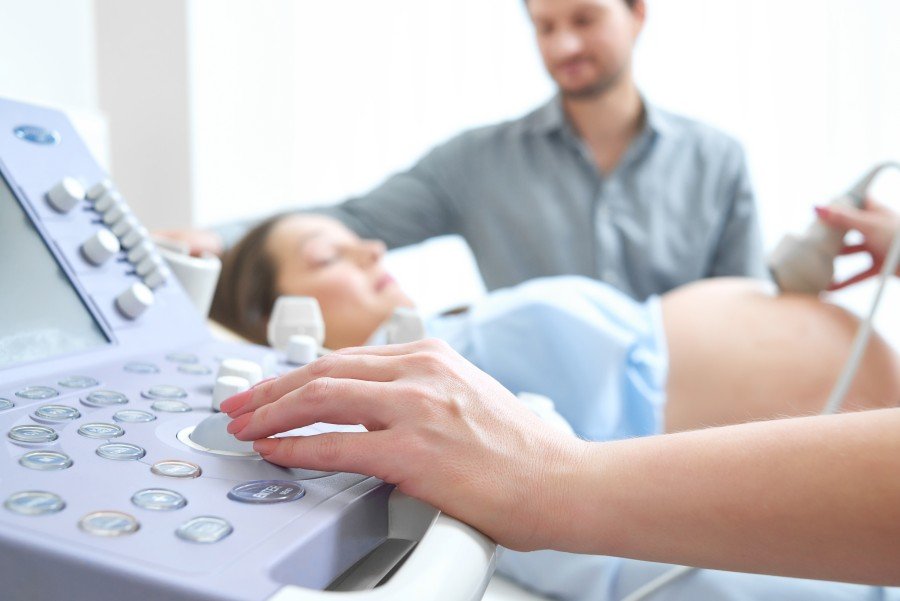
Depending on the symptoms, the evaluation may include a physical examination, pregnancy test, blood tests, pelvic ultrasound, or other investigations.
Keeping a menstrual diary or using a period-tracking app can also provide useful information. Record the first and last day of bleeding, flow changes, pain, and unusual symptoms.
Treatment Depends on the Underlying Cause
There is no single treatment suitable for every menstrual disorder. A gynaecologist may recommend management based on the woman’s age, symptoms, reproductive goals, medical history, and diagnosis.
Depending on the condition, treatment may include:
- Lifestyle and dietary adjustments
- Medicines for pain or heavy bleeding
- Hormonal treatment
- Treatment for thyroid or other underlying disorders
- Management of PCOS
- Treatment of fibroids, polyps, or endometriosis
- Surgical treatment when medically appropriate
For this reason, women searching for menstrual disorder treatment in Gurugram should prioritise a proper evaluation rather than relying on over-the-counter medicines or online remedies.
Practical Ways to Support Menstrual Health
Women can take several simple steps to better understand and manage their menstrual health.
Track your cycle: Note dates, flow, pain, and unusual bleeding.
Maintain a balanced lifestyle: Regular physical activity, nutritious meals, adequate sleep, and healthy weight management can support overall reproductive health.
Do not ignore persistent pain: Severe period pain that repeatedly disrupts daily life deserves assessment.
Watch for heavy bleeding: Feeling unusually tired, dizzy, weak, or breathless during heavy periods can sometimes indicate anaemia and should be discussed with a doctor.
Attend regular gynaecological consultations: Timely medical advice can help identify problems before they become more difficult to manage.
Conclusion
Menstrual patterns can change considerably from adolescence through the reproductive years, perimenopause, and beyond. While some variations are expected, persistent irregular periods, very heavy bleeding, severe pain, missed periods, or bleeding after menopause should not be ignored. The cause may range from temporary hormonal changes to conditions such as PCOS, fibroids, endometriosis, thyroid disorders, or other gynaecological problems. If menstrual symptoms are affecting your health or daily routine, professional evaluation can help identify the right approach. For women considering menstrual disorder treatment in Gurugram, consulting Dr. B. Preethi is a sensible next step toward understanding symptoms and receiving personalised, evidence-based care.