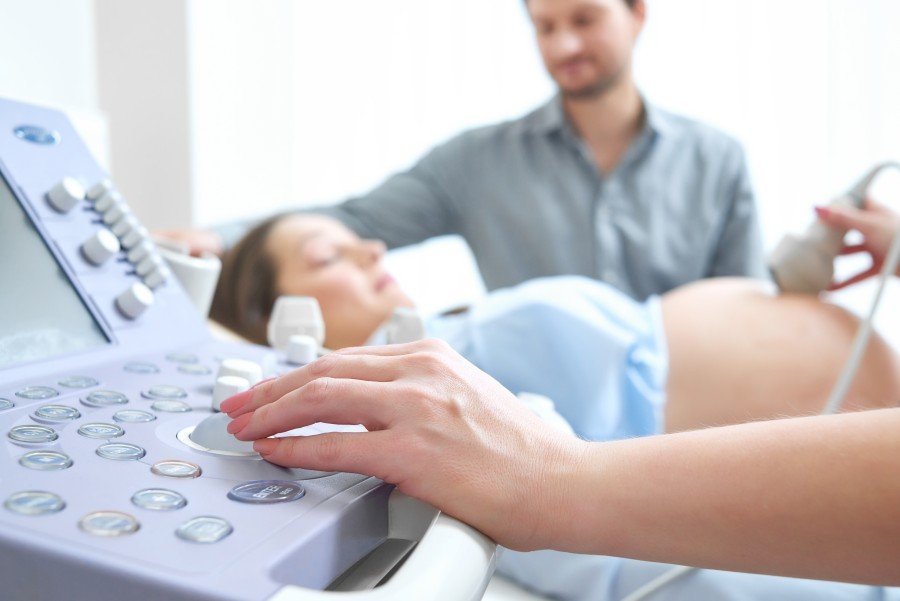
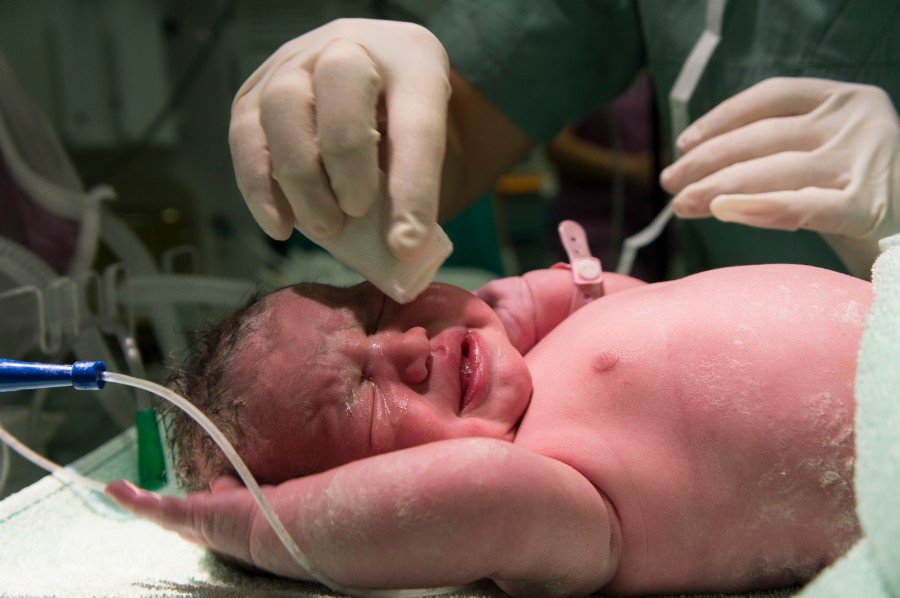
Pregnancy brings many questions, especially when it comes to choosing the safest way to give birth. For expectant parents exploring Normal Delivery in Sector 57 Gurugram, understanding vaginal birth, preparing for labour, and receiving appropriate antenatal care can help make the experience more informed and reassuring. Although many women can give birth vaginally, the safest delivery method depends on the mother’s health, the baby’s position, and how labour progresses.
For fast information, direct chat with us on WhatsApp.
Normal delivery is vaginal childbirth, in which a baby is delivered through the birth canal. Preparing for normal delivery in Sector 57 Gurugram involves regular antenatal checkups, balanced nutrition, suitable physical activity, and understanding labour and pain-relief options. The safest delivery method depends on the mother’s health, the baby’s position, and medical circumstances.
What Is Normal Delivery?
Normal delivery is a commonly used term for vaginal birth, in which a baby is delivered through the birth canal rather than through surgery. Labour generally involves contractions that help the cervix open, followed by the birth of the baby and delivery of the placenta.
Vaginal birth may happen spontaneously or with medical assistance, depending on the circumstances. Doctors assess each pregnancy individually to determine which delivery approach is appropriate. A vaginal birth is not always possible or advisable, and a caesarean section can be the safest option when medical concerns arise.
Benefits of Vaginal Birth
When vaginal birth is medically appropriate, it may offer several benefits for the mother and baby.
- Avoids major abdominal surgery: Vaginal birth generally does not require an abdominal incision, reducing exposure to surgical risks.
- Potentially shorter hospital stay: Many women can leave the hospital sooner after an uncomplicated vaginal birth, depending on their recovery and the baby’s condition.
- Recovery may be quicker: Some mothers return to comfortable everyday activities sooner than after a caesarean, although recovery varies.
- Early skin-to-skin contact: When mother and baby are stable, early skin-to-skin contact and breastfeeding can often begin soon after birth.
- Fewer surgical complications: Vaginal birth avoids risks associated with abdominal surgery, such as wound infection and certain surgical complications.
However, vaginal delivery can also involve perineal tears, significant pain, bleeding, or assisted delivery. The benefits and risks should be discussed with a qualified obstetrician rather than assuming that one delivery method is best for everyone.
How to Prepare for Normal Delivery in Sector 57 Gurugram
Preparing for childbirth starts well before labour. Regular antenatal visits allow your obstetrician to monitor your health, assess your baby’s growth, and identify concerns that may affect delivery planning.
1. Attend Regular Antenatal Checkups
Keep all recommended pregnancy appointments. Your doctor may monitor blood pressure, blood sugar, anaemia, fetal growth, and the baby’s position as pregnancy progresses. Follow recommended screening and ultrasound schedules, and discuss any previous pregnancy complications.
2. Stay Active if Your Doctor Approves
For many uncomplicated pregnancies, moderate activity such as walking or pregnancy-appropriate exercise can support general fitness and wellbeing. However, exercise recommendations vary. Ask your doctor which activities are safe, especially if you have a high-risk pregnancy or have been advised to limit physical activity.
3. Eat a Balanced Diet and Stay Hydrated
Include a variety of vegetables, fruits, whole grains, protein sources, and other nutrient-rich foods. Take prenatal supplements, including iron or folic acid, as recommended by your healthcare professional. Stay hydrated and discuss any dietary restrictions or pregnancy-related conditions with your doctor.
4. Learn About Labour and Pain Relief
Childbirth education can help you understand contractions, breathing techniques, labour positions, and available pain-relief options. Ask your doctor about the benefits and limitations of each option, including epidural analgesia where available. Knowing what to expect can reduce uncertainty, although every labour experience is different.
5. Make a Flexible Birth Plan
Discuss your preferences for birth support, pain management, movement during labour, and early contact with your baby. Pack essential documents and hospital items in advance. Most importantly, remain flexible: your medical team may recommend changing the plan if your or your baby’s safety requires it.
What to Expect During Labour and Vaginal Birth
Labour does not progress at the same pace for every woman. Understanding its main stages can help you feel better prepared.
Early and active labour: Contractions help the cervix thin and open. Your healthcare team will assess contraction patterns, cervical changes, and your baby’s wellbeing. Follow the guidance provided about when to go to the hospital.
Birth of the baby: Once the cervix is fully dilated, pushing helps move the baby through the birth canal. Your doctor or midwife will guide you and monitor progress. Some births require assistance using instruments, while others may need a caesarean if concerns develop.
Delivery of the placenta: After the baby is born, the placenta is delivered. The team checks for bleeding and monitors the mother’s recovery. If both mother and baby are stable, early skin-to-skin contact and breastfeeding support may be offered.
When Might a Caesarean Section Be Safer?
A vaginal birth is not the right choice in every pregnancy. A caesarean section may be recommended if the baby is in a position that makes vaginal birth unsafe, the placenta blocks the cervix, labour fails to progress, or the baby shows signs of distress. Certain maternal health conditions or previous uterine surgeries may also influence the decision.
Choosing a caesarean when medically necessary is not a failure. The priority is a safe outcome for the mother and baby. Your obstetrician can explain the available options, their risks, and the reasons for any change in the delivery plan.
When Should You Contact Your Maternity Team?
Seek prompt medical assessment if you experience vaginal bleeding, leaking fluid, reduced fetal movements, severe or persistent abdominal pain, a severe headache with visual changes, or other symptoms your doctor has identified as warning signs. Heavy bleeding, seizures, difficulty breathing, or severe pain require emergency care.
Do not wait for contractions to become regular if you have concerning symptoms. Follow your maternity team’s instructions about labour signs and when to attend the hospital.
Frequently Asked Questions
1. Can every pregnant woman have a normal delivery?
No. Many women can give birth vaginally, but eligibility depends on maternal health, the baby’s position, placental location, pregnancy complications, and labour progress. Your obstetrician can assess these factors and discuss the safest delivery plan. Even when vaginal birth is initially planned, circumstances may change during labour.
2. How can I increase my chances of vaginal birth?
Attend antenatal appointments, follow your clinician’s advice on physical activity and nutrition, and learn about labour and pain-relief options. Discuss any medical conditions or previous birth complications early. These steps support preparation but cannot guarantee vaginal birth, because some factors only become clear as pregnancy or labour progresses.
3. Is vaginal delivery less painful than a C-section?
The experiences differ. Vaginal birth involves labour pain and may cause perineal soreness afterward. A caesarean is usually performed with anaesthesia, so the operation itself should not be painful in the usual way, but recovery involves pain from the surgical incision. Discuss pain management and recovery expectations with your doctor.
4. When should I visit the hospital during labour?
Follow the instructions given by your maternity team, since the right time depends on your pregnancy history, contraction pattern, distance from the hospital, and other factors. Seek immediate assessment for heavy bleeding, reduced fetal movements, leaking fluid, or other urgent warning signs, rather than waiting for contractions to intensify.
5. Where can I discuss delivery options in Sector 57 Gurugram?
You can arrange an antenatal consultation with an obstetrician serving Sector 57 Gurugram to discuss your pregnancy, birth preferences, and any medical concerns. Ask about maternity facilities, emergency support, pain-relief options, newborn care, and the circumstances in which a caesarean may be recommended. Confirm the available services directly with the provider.
Conclusion
Planning for Normal Delivery in Sector 57 Gurugram begins with informed decisions, regular antenatal checkups, and open communication with your obstetrician. Understanding labour, maintaining healthy pregnancy habits, and discussing pain-relief options can help you approach childbirth with greater confidence. However, vaginal birth is not suitable for every pregnancy, and a caesarean section may be necessary to protect the health of the mother or baby. The most important goal is a safe delivery, not achieving a particular birth method at all costs. If you are expecting, schedule an antenatal consultation with Dr. B. Preethi to review your health, discuss your preferences, and develop a flexible delivery plan tailored to your needs.