Pregnancy brings many important decisions, and understanding the available delivery options can help expectant parents feel more prepared. While vaginal birth is suitable for many pregnancies, a cesarean section, commonly called a C-section, may be the safest option in certain medical situations. If you are researching Cesarean Delivery in Sector 57 Gurugram, learning about the reasons for surgery, the procedure, and recovery can help you discuss your birth plan confidently with your gynaecologist.
For fast information, direct chat with us on WhatsApp.
Cesarean delivery is a surgical procedure used to deliver a baby through incisions in the abdomen and uterus. Doctors may recommend it for breech presentation, placenta previa, fetal distress, or labour complications. For mothers considering Cesarean Delivery in Sector 57 Gurugram, an obstetrician can explain the procedure, individual risks, preparation, and recovery requirements.
What Is a Cesarean Delivery?
A cesarean delivery is a surgical procedure in which a baby is delivered through incisions in the mother’s abdomen and uterus. Doctors may recommend a planned C-section when they identify a medical reason before labour begins, or they may perform an emergency C-section if complications arise during pregnancy or labour.
The decision depends on the mother’s health, the baby’s condition, the stage of pregnancy, and the circumstances surrounding labour. A C-section can be a lifesaving procedure when medically indicated, although it involves surgical risks and a longer recovery than an uncomplicated vaginal birth.
Why Might a Doctor Recommend a C-Section?
A cesarean delivery may be recommended when vaginal birth could pose additional risks to the mother or baby. Common reasons include:
- Breech or unusual fetal position: The baby is positioned feet-first, bottom-first, or sideways, making vaginal delivery unsuitable in some circumstances.
- Placenta previa: The placenta covers the cervix, potentially obstructing the baby’s passage and increasing the risk of bleeding.
- Labour complications: Labour may not progress despite appropriate management, or the cervix may stop dilating.
- Signs of fetal distress: The baby’s heart rate may indicate that prompt delivery is necessary.
- Certain multiple pregnancies: Twins or higher-order pregnancies may require a C-section depending on the babies’ positions and other clinical factors.
- Previous uterine surgery: Some women with a previous C-section or other uterine surgery may be advised to have another cesarean delivery.
- Maternal health conditions: Certain medical conditions or pregnancy complications may influence the safest delivery method.
A previous C-section does not automatically mean that another one is necessary. Some women may be suitable candidates for a vaginal birth after cesarean (VBAC). Your obstetrician can explain the benefits, risks, and available facilities relevant to your pregnancy.
How Is a Cesarean Delivery Performed?
Understanding the main steps can make the experience less intimidating.
1. Preoperative assessment
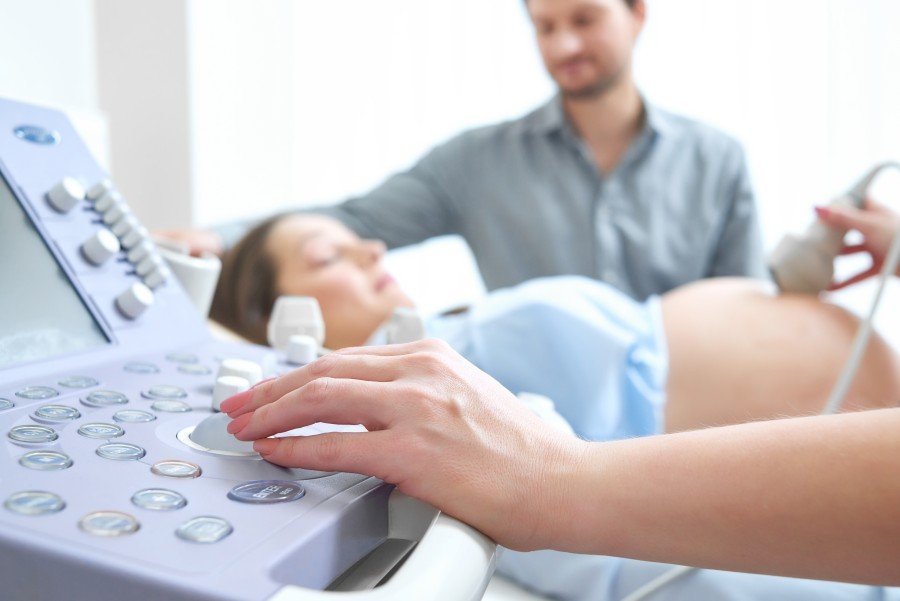
Before a planned C-section, the medical team reviews your medical history, pregnancy progress, medications, allergies, and relevant test results. You will receive instructions about fasting, medicines, and hospital admission.
2. Anaesthesia and preparation
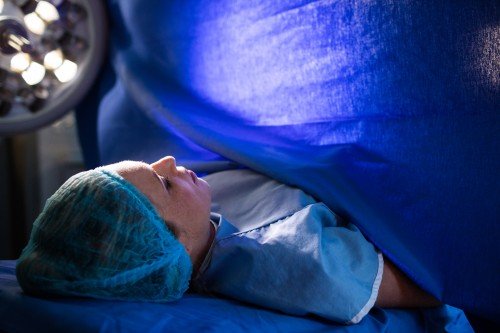
Spinal or epidural anaesthesia is commonly used so you remain awake without feeling pain during the surgery. General anaesthesia may be necessary in certain emergencies or when regional anaesthesia is unsuitable. The team monitors your vital signs throughout the procedure.
3. Delivery of the baby
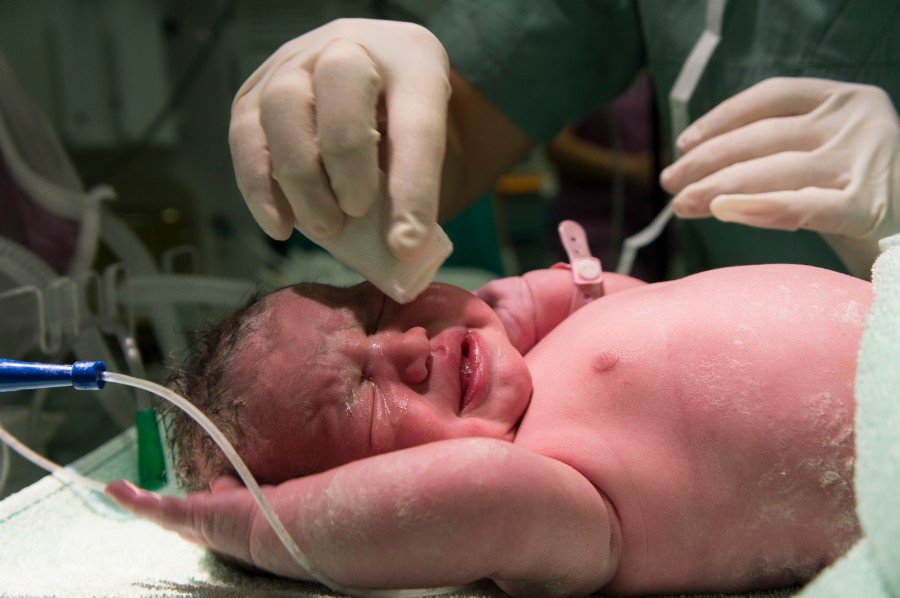
The surgeon makes an incision in the lower abdomen and then the uterus to deliver the baby. The baby is assessed by the neonatal team when needed, and the placenta is delivered.
4. Closing the incision
The surgeon closes the uterine and abdominal incisions with appropriate sutures or other closure materials. The team then monitors you in recovery for bleeding, pain, and other potential complications.
A straightforward cesarean operation often takes around 40–60 minutes, although the duration varies depending on the circumstances. Your doctor can explain what to expect in your specific case.
What to Expect During Recovery After a C-Section
Recovery takes time because a cesarean delivery involves abdominal surgery. Many women remain in hospital for a few days, depending on their recovery, the baby’s health, and local hospital practices.
Your care team may recommend the following measures:
- Take prescribed medication: Use pain relief and other medicines as directed by your doctor.
- Start gentle movement: Walking when medically appropriate can support recovery and help reduce the risk of blood clots.
- Care for the incision: Keep the wound clean and follow your clinician’s bathing and dressing instructions.
- Avoid heavy lifting: Do not lift anything heavier than your baby or resume strenuous exercise until your healthcare professional advises that it is safe.
- Eat balanced meals and drink fluids: Adequate nutrition and hydration support healing, particularly if you are breastfeeding.
- Attend follow-up appointments: Your doctor can check wound healing, pain, bleeding, and overall postpartum recovery.
Many women need around six weeks or longer for substantial recovery, although individual timelines differ. Avoid driving until you can move comfortably, perform an emergency stop safely, and meet your doctor’s advice and any insurance requirements.
Essential Tips for Preparing for a Planned C-Section
Preparation can help you feel more organised and supported before delivery.
Discuss your birth plan: Ask why a C-section is recommended, whether alternatives are appropriate, and what risks and benefits apply to your situation.
Arrange practical support: Plan transport to the hospital and arrange help with meals, household tasks, and newborn care during the first few weeks.
Prepare your hospital bag: Pack maternity documents, identification, prescribed medicines, comfortable clothing, toiletries, and essentials for your baby.
Follow preoperative instructions: Confirm when to stop eating and drinking, which medicines to take, and when to arrive. Do not change prescribed medication without medical advice.
Plan for feeding and emotional support: Ask about early skin-to-skin contact, breastfeeding assistance, and support if you feel anxious about surgery or recovery.
When Should You Seek Medical Help After a C-Section?
Contact your healthcare professional promptly if you develop a fever, worsening abdominal pain, increasing redness or discharge around the incision, or heavy or increasing vaginal bleeding.
Seek emergency medical care for severe breathing difficulty, chest pain, fainting, seizures, severe persistent headache with visual changes, or heavy bleeding accompanied by weakness or dizziness. One-sided leg swelling or pain also needs urgent assessment because it can indicate a blood clot.
Never ignore symptoms because they seem unusual for the recovery period. Early assessment helps identify complications and determine the appropriate treatment.
Choosing Maternity Care in Sector 57 Gurugram
When considering cesarean delivery, look for an obstetrician who explains your options clearly, reviews your pregnancy history, and involves you in decisions wherever circumstances allow. Ask about the hospital’s emergency obstetric services, anaesthesia support, newborn care facilities, and arrangements for postoperative monitoring.
If you are exploring Cesarean Delivery in Sector 57 Gurugram, a consultation with Dr. B. Preethi can help you discuss your pregnancy, understand whether a planned C-section may be appropriate, and clarify the care and support you may need before and after birth. The recommended delivery method should always be based on an individual clinical assessment rather than location or preference alone.
Frequently Asked Questions
1. When is a planned cesarean delivery usually scheduled?
A planned C-section is generally scheduled at or after 39 weeks of pregnancy when there is no medical reason to deliver earlier. However, certain maternal or fetal complications may require earlier delivery. Your obstetrician will recommend the timing based on your medical history, pregnancy progress, and the baby’s condition.
2. How long does it take to recover from a cesarean delivery?
Initial recovery usually takes several weeks, and many women need around six weeks or longer to resume most normal activities comfortably. Healing varies depending on the operation and individual health. Follow your doctor’s instructions, avoid strenuous activity until cleared, and attend postpartum appointments to monitor your recovery.
3. Is a C-section safer than vaginal delivery?
Neither delivery method is universally safer for every pregnancy. Vaginal birth generally avoids abdominal surgery, while a C-section may be safer when specific complications make vaginal delivery risky. The best option depends on the mother’s health, the baby’s condition, and pregnancy-related factors. Discuss the benefits and risks with your obstetrician.
4. Can I have a vaginal birth after a previous C-section?
Yes, some women can have a vaginal birth after cesarean, known as VBAC. Suitability depends on factors such as the type of uterine incision, previous delivery history, current pregnancy, and the hospital’s ability to provide emergency surgery if needed. Your obstetrician can assess your individual circumstances and discuss the available options.
5. Where can I consult a gynaecologist for C-section planning in Sector 57 Gurugram?
You can consult an obstetrician-gynaecologist who provides antenatal care and delivery planning in or around Sector 57 Gurugram. Ask about the doctor’s approach to delivery decisions, hospital facilities, anaesthesia support, and newborn care. Contact Dr. B. Preethi’s clinic through the official website to confirm consultation availability and delivery arrangements.
Conclusion
Preparing for childbirth involves understanding your options and knowing what to expect if surgery becomes necessary. Cesarean Delivery in Sector 57 Gurugram may be recommended for several medical reasons, including an unsuitable fetal position, placenta previa, or complications during labour. Understanding the procedure, following postoperative instructions, and attending follow-up appointments can help mothers navigate recovery with greater confidence. Every pregnancy is different, so delivery decisions should be based on the mother’s health and the baby’s needs. If you are approaching your due date or have concerns about a planned C-section, consult Dr. B. Preethi to discuss your pregnancy, delivery options, and appropriate maternity care.