Pregnancy brings many physical and emotional changes. While some symptoms are a normal part of pregnancy, others may need timely medical attention. Antenatal Care in Sector 50 Gurugram provides an opportunity to monitor the health of both mother and baby, discuss concerns, perform recommended tests, and identify potential complications early.
Regular prenatal visits are not only about checking the baby’s growth. They also help the doctor understand how the pregnancy is progressing and guide the mother about nutrition, medicines, lifestyle, vaccinations, warning signs, and birth planning.
For fast information, direct chat with us on WhatsApp.
Antenatal care helps address common pregnancy concerns such as nausea, fatigue, anaemia, blood pressure changes, gestational diabetes, fetal growth, and nutritional needs. Regular prenatal appointments also allow healthcare professionals to recommend appropriate tests, monitor maternal and fetal wellbeing, and identify symptoms that may require further evaluation or treatment.
Why Regular Antenatal Care Matters
Every pregnancy is different. Some women experience very few symptoms, while others may have concerns throughout pregnancy. Routine prenatal care creates a structured way to monitor changes rather than waiting until a problem becomes significant.
During appointments, the healthcare provider may review symptoms, check blood pressure and weight, assess the baby’s growth according to the stage of pregnancy, and recommend investigations when appropriate.
The schedule and tests can vary based on factors such as gestational age, previous pregnancy history, age, existing medical conditions, and individual risk factors.
Common Pregnancy Concerns Discussed During Prenatal Visits
1. Morning Sickness and Nausea
Nausea and vomiting are particularly common during early pregnancy. For some women, symptoms remain mild and manageable. Others may struggle with frequent vomiting, difficulty eating, or inadequate fluid intake.
During an antenatal consultation, the doctor can discuss dietary measures, hydration, and pregnancy-safe treatment options when necessary. Persistent vomiting, inability to keep fluids down, reduced urination, or signs of dehydration should not be ignored.
2. Anaemia and Nutritional Deficiencies
Iron-deficiency anaemia can occur during pregnancy because the body’s nutritional requirements increase. Tiredness, weakness, dizziness, or breathlessness can sometimes be associated with anaemia, although these symptoms may have other causes as well.
Routine blood tests can help identify anaemia. Based on the results, the healthcare provider may recommend iron supplementation, dietary changes, or additional evaluation.
A balanced pregnancy diet should provide adequate protein, iron, folate, calcium, and other essential nutrients. Supplements should be taken according to professional advice rather than self-prescribed.
3. Blood Pressure Changes
Blood pressure is routinely monitored during pregnancy because elevated blood pressure can sometimes indicate a pregnancy-related complication.
A significant rise in blood pressure may require additional monitoring and investigations. Symptoms such as severe headache, vision changes, sudden swelling, severe upper abdominal pain, or feeling unusually unwell should be reported promptly.
Regular appointments make it easier to identify changes that may otherwise go unnoticed.
Antenatal Care in Sector 50 Gurugram: Monitoring Blood Sugar
Gestational diabetes develops during pregnancy and may not always cause noticeable symptoms. Screening is therefore an important part of routine maternity care when recommended by the healthcare provider.
If blood sugar levels are elevated, management may involve dietary changes, physical activity where medically appropriate, blood glucose monitoring, and medication in some cases.
Proper monitoring helps the maternity team understand how the pregnancy is progressing and whether additional follow-up is required.
5. Abdominal Pain, Backache and Other Discomforts
Mild backache, pelvic pressure, abdominal stretching sensations, and other discomforts can occur as pregnancy progresses. However, the nature, severity, duration, and associated symptoms matter.
During prenatal appointments, women can discuss recurring pain rather than trying to determine the cause themselves. Depending on the symptoms and stage of pregnancy, the doctor may recommend examination or further testing.
Severe or persistent abdominal pain, heavy bleeding, fluid leakage, fever, fainting, or other concerning symptoms require prompt medical assessment.
6. Fetal Growth and Development
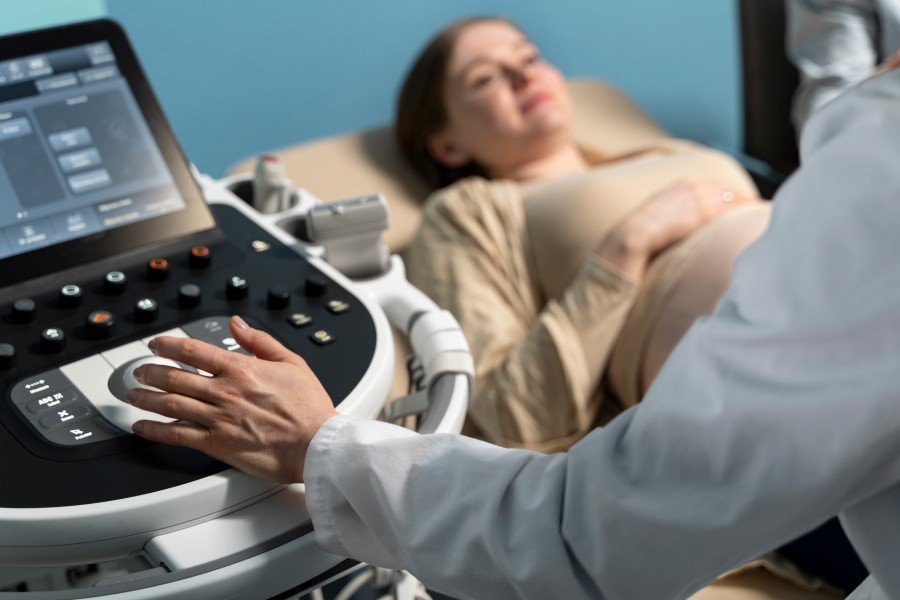
One of the most important purposes of antenatal care is monitoring the baby’s development. The healthcare provider may use physical assessments, ultrasound examinations, and other tests when clinically indicated.
Not every pregnancy requires the same number or type of scans. The timing depends on the stage of pregnancy and individual circumstances.
If a scan or examination raises a concern about growth or development, further monitoring may be recommended. This allows the maternity team to make decisions based on the pregnancy’s specific needs.
7. Changes in Fetal Movement
Later in pregnancy, mothers become familiar with their baby’s usual movement pattern. A noticeable reduction or change in fetal movement can sometimes require assessment.
Women should discuss any concerns about fetal movement with their maternity care provider rather than relying on assumptions about what is normal. The appropriate response can depend on gestational age and individual circumstances.
8. Emotional Wellbeing During Pregnancy
Pregnancy can also affect emotional wellbeing. Anxiety, stress, low mood, sleep difficulties, and concerns about childbirth are worth discussing during antenatal appointments.
A healthcare professional can help determine whether additional support may be appropriate. Seeking help for emotional concerns is a normal part of comprehensive maternity care and should not be overlooked.
What Can You Discuss During an Antenatal Appointment?
Preparing questions before an appointment can make the consultation more useful. Depending on the stage of pregnancy, you may want to ask about:
- Recommended blood and urine tests
- Ultrasound scans and their purpose
- Nutrition and pregnancy supplements
- Safe physical activity
- Medicines and existing health conditions
- Vaccinations recommended during pregnancy
- Warning signs that need urgent attention
- Birth planning and delivery options
- Changes in fetal movement
- Postpartum preparation
It is also helpful to tell your doctor about any medicines, supplements, allergies, previous pregnancies, or significant medical history.
When Should You Seek Medical Attention?
Not every pregnancy symptom requires an emergency visit, but certain warning signs should be assessed promptly. These may include heavy vaginal bleeding, severe abdominal pain, severe headache with visual changes, difficulty breathing, fainting, seizures, fever with significant illness, fluid leakage, or a significant reduction in fetal movement later in pregnancy.
If you are unsure whether a symptom is concerning, contacting your maternity care provider for guidance is safer than ignoring a potentially important change.
Choosing Antenatal Care in Sector 50 Gurugram
When choosing a maternity care provider, consider whether the practice offers appropriate pregnancy monitoring, explains investigations clearly, reviews your medical and pregnancy history, and provides an opportunity to discuss questions or concerns.
Location can also matter because pregnancy involves multiple appointments, particularly when additional monitoring is required. For families living in and around Sector 50, Gurugram, convenient access can make it easier to maintain regular prenatal follow-up.
Most importantly, antenatal care should be individualized. The appropriate schedule and investigations depend on the mother’s health, pregnancy history, gestational age, and findings during examination.
Frequently Asked Questions
1. When should antenatal care begin during pregnancy?
Antenatal care should begin early in pregnancy, ideally as soon as pregnancy is confirmed. An early appointment allows the healthcare provider to review medical history, estimate gestational age, discuss supplements and lifestyle, and identify factors that may require closer monitoring.
2. What tests are commonly performed during pregnancy?
Common prenatal investigations can include blood tests, urine testing, blood pressure monitoring, and ultrasound examinations. Screening for conditions such as anaemia, blood group incompatibility, infections, and gestational diabetes may be recommended at appropriate stages. The exact tests depend on individual health factors and pregnancy stage.
3. How often should I have prenatal checkups?
The frequency of antenatal appointments varies according to gestational age and individual risk factors. Visits generally become more frequent as pregnancy progresses. Women with certain medical or pregnancy-related concerns may need additional monitoring based on their doctor’s recommendations.
4. Is back pain during pregnancy always normal?
Mild back pain is common during pregnancy, particularly as the body changes and the centre of gravity shifts. However, severe, persistent, sudden, or unusual pain should be discussed with a healthcare professional, especially when accompanied by bleeding, fever, painful urination, contractions, or other concerning symptoms.
5. Where can I seek antenatal care near Sector 50 Gurugram?
Women living in Sector 50 and nearby parts of Gurugram can look for a qualified obstetrician-gynaecologist who provides pregnancy monitoring and maternity care. Consider the clinic’s accessibility, consultation process, available investigations, and whether the provider can tailor care to your pregnancy needs.
Conclusion
Regular prenatal care gives expecting mothers a structured way to monitor pregnancy and discuss concerns as they arise. From nausea and anaemia to blood pressure, blood sugar, fetal growth, emotional wellbeing, and changes in fetal movement, timely evaluation can help ensure that concerns receive appropriate attention. Antenatal Care in Sector 50 Gurugram should be tailored to the mother’s health, pregnancy history, gestational age, and individual needs. If you are pregnant or planning pregnancy, consider arranging an appointment with Dr. B. Preethi and keep track of questions or symptoms between visits. Most importantly, seek prompt medical advice when you notice a significant or unusual change during pregnancy.