
Menstrual health is one of the most important indicators of a woman’s overall well-being. While occasional changes in the menstrual cycle are common, persistent irregularities should never be ignored. Early diagnosis plays a vital role in identifying the underlying cause and ensuring the Best Menstrual Disorders Treatment in Gurugram before complications develop. Timely medical care not only relieves symptoms but also protects fertility, hormonal balance, and long-term health.
Whether you experience painful periods, heavy bleeding, irregular cycles, or missed periods, consulting an experienced gynecologist can help you receive the right diagnosis and personalized treatment plan.
For fast information, direct chat with us on WhatsApp.
Early diagnosis helps identify the root cause of menstrual disorders before they worsen. With the Best Menstrual Disorders Treatment in Gurugram, women can receive personalized care that relieves symptoms, improves hormonal health, protects fertility, and prevents long-term complications through timely medical intervention.
Why Early Diagnosis Matters for the Best Menstrual Disorders Treatment in Gurugram
Many women assume menstrual irregularities are temporary or caused by stress. However, recurring symptoms often indicate an underlying medical condition that requires professional evaluation. The earlier these conditions are diagnosed, the easier they are to manage effectively.
Early diagnosis offers several benefits:
- Prevents symptoms from becoming severe
- Identifies hormonal disorders at an early stage
- Protects reproductive health and fertility
- Reduces the risk of anemia caused by excessive bleeding
- Improves quality of life with timely symptom management
- Supports long-term gynecological health
Moreover, early intervention often allows doctors to recommend less invasive treatment options.
Understanding Menstrual Disorders
A menstrual disorder refers to any condition that affects the normal menstrual cycle, including its timing, duration, flow, or associated pain.
Common menstrual disorders include:
- Irregular periods
- Heavy menstrual bleeding (Menorrhagia)
- Painful periods (Dysmenorrhea)
- Missed periods (Amenorrhea)
- Infrequent periods (Oligomenorrhea)
- Premenstrual Syndrome (PMS)
- Premenstrual Dysphoric Disorder (PMDD)
Each condition has different causes and requires an individualized treatment approach.
Common Causes Behind Menstrual Disorders
Several medical and lifestyle factors can affect menstrual health.
These include:
- Hormonal imbalance
- Polycystic Ovary Syndrome (PCOS)
- Thyroid disorders
- Endometriosis
- Uterine fibroids
- Adenomyosis
- Pelvic inflammatory disease
- Stress and anxiety
- Obesity or sudden weight changes
- Certain medications
Because many conditions share similar symptoms, proper diagnosis is essential before starting treatment.
Symptoms You Should Never Ignore
Many women delay seeking medical attention because they believe menstrual changes are normal. However, some symptoms require prompt evaluation.
Watch for:
- Bleeding lasting more than seven days
- Extremely heavy menstrual flow
- Severe pelvic pain
- Missed periods without pregnancy
- Bleeding between periods
- Frequent irregular cycles
- Large blood clots
- Severe fatigue due to blood loss
If these symptoms persist for more than two or three cycles, consult a qualified gynecologist.
How Doctors Diagnose Menstrual Disorders
Accurate diagnosis begins with understanding your complete medical history and menstrual cycle.
A gynecologist may recommend:
- Physical examination
- Pelvic examination
- Blood tests for hormone levels
- Thyroid function tests
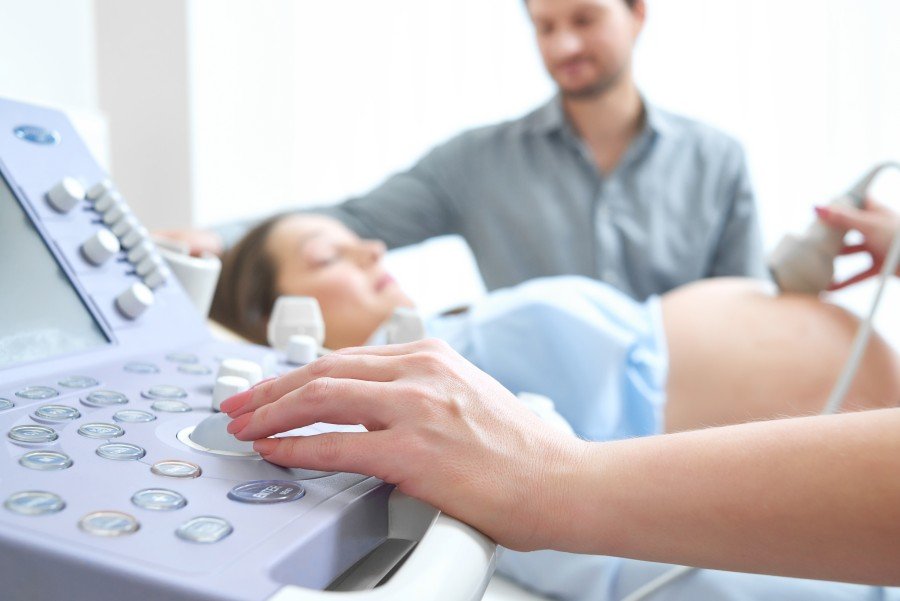
- Ultrasound scan
- Pap smear when appropriate
- MRI in selected cases
- Endometrial biopsy for abnormal bleeding
These investigations help identify the exact cause rather than simply treating symptoms.
Personalized Evaluation for the Best Menstrual Disorders Treatment in Gurugram
Every woman’s body is different. Therefore, treatment should always depend on the underlying diagnosis rather than symptoms alone.
A personalized treatment plan considers:
- Age
- Lifestyle
- Reproductive goals
- Hormonal profile
- Existing medical conditions
- Severity of symptoms
This patient-centered approach improves treatment outcomes while reducing unnecessary interventions.
Treatment Options for Menstrual Disorders
Modern gynecology offers several effective treatment options depending on the diagnosis.
Lifestyle Modifications
Healthy daily habits often improve mild menstrual irregularities.
Doctors may recommend:
- Regular exercise
- Balanced nutrition
- Weight management
- Stress reduction techniques
- Proper sleep
- Iron-rich diet when bleeding is excessive
Lifestyle improvements also support hormonal balance naturally.
Medications
Medication may include:
- Hormonal therapy
- Birth control pills
- Progesterone therapy
- Pain relief medications
- Iron supplements
- Thyroid medication when needed
Doctors carefully select medications based on individual health needs.
Minimally Invasive Procedures
Some women may require advanced treatment when medications are not enough.
These include:
- Hysteroscopy
- Polypectomy
- Fibroid removal
- Endometrial ablation in selected cases
These procedures often involve shorter recovery times and minimal discomfort.
Surgical Treatment
When conservative treatments fail, surgery may become necessary. However, specialists recommend surgery only after careful evaluation and discussion with the patient.
Long-Term Benefits of Early Treatment
Early diagnosis does much more than relieve symptoms.
It also helps:
- Preserve fertility
- Prevent chronic pelvic pain
- Reduce emotional stress
- Improve hormonal balance
- Lower the risk of anemia
- Enhance daily productivity
- Improve overall reproductive health
Women who seek medical care early often experience faster recovery and better long-term outcomes.
Lifestyle Habits That Support Better Menstrual Health
Medical treatment works best when combined with healthy lifestyle choices.
Simple habits include:
- Eating nutrient-rich foods
- Drinking enough water
- Exercising regularly
- Maintaining a healthy weight
- Managing stress effectively
- Avoiding smoking
- Limiting excessive caffeine intake
- Keeping track of menstrual cycles
Additionally, regular gynecological check-ups help detect problems before they become serious.
Choosing the Right Gynecologist
Finding the right specialist is equally important.
Look for a gynecologist who offers:
- Comprehensive evaluation
- Personalized treatment plans
- Modern diagnostic facilities
- Evidence-based treatment
- Compassionate patient care
- Clear communication
- Regular follow-up care
An experienced specialist focuses on both symptom relief and long-term reproductive wellness.
Conclusion
Ignoring persistent menstrual changes can delay diagnosis and increase the risk of complications. Fortunately, early medical evaluation allows doctors to identify the root cause and create a treatment plan that meets your individual needs. Choosing the Best Menstrual Disorders Treatment in Gurugram ensures access to accurate diagnosis, personalized care, and evidence-based treatment that supports both reproductive and overall health. Rather than waiting for symptoms to worsen, schedule a consultation if you notice ongoing menstrual irregularities. Early action not only improves comfort but also protects fertility, hormonal balance, and your quality of life for years to come. Investing in timely care is one of the best decisions you can make for your long-term well-being.