Fibroids and endometriosis are two common gynecological conditions that can affect periods, pelvic comfort, fertility, and overall quality of life. However, their symptoms can overlap, making it difficult to identify the underlying cause without proper evaluation. Understanding the symptoms, diagnostic process, and available treatment options can help women make informed decisions about their health. If you are looking for Fibroid and Endometriosis Treatment in Gurugram, Dr. B. Preethi can help determine the right approach based on your symptoms, age, reproductive plans, and overall health.
For fast information, direct chat with us on WhatsApp.
Fibroids are non-cancerous growths in or around the uterus, while endometriosis occurs when tissue similar to the uterine lining grows outside the uterus. Both may cause pelvic pain, heavy periods, and fertility concerns. Diagnosis may involve medical history, examination, ultrasound, or other investigations. Treatment depends on symptoms, severity, and fertility goals.
What Are Fibroids and Endometriosis?
Although fibroids and endometriosis are different conditions, both can cause significant menstrual and pelvic symptoms.
Uterine fibroids are non-cancerous growths that form within or around the muscular wall of the uterus. Fibroids may differ in their size, number, and position within the uterus. Some women have no symptoms, while others experience heavy menstrual bleeding, pelvic pressure, frequent urination, or reproductive difficulties.
Endometriosis occurs when tissue resembling the lining of the uterus grows outside the uterus. It can affect areas such as the ovaries, pelvic lining, and nearby structures. This condition may cause inflammation and pain, particularly around menstruation.
Importantly, the severity of symptoms does not always match the extent of disease. Therefore, professional assessment matters when symptoms persist.
Common Symptoms of Fibroids
Fibroids do not always produce noticeable symptoms. When symptoms occur, they may include:
- Heavy or prolonged menstrual bleeding
- Pelvic pressure or discomfort
- Painful periods
- Lower abdominal or back pain
- Frequent urination
- Constipation or bowel pressure
- Abdominal enlargement
- Difficulty conceiving in some cases
The location of a fibroid can influence the symptoms it causes. For example, fibroids that project into the uterine cavity may contribute to heavier menstrual bleeding.
Signs of Endometriosis to Watch For
Endometriosis can present differently from one woman to another. Common symptoms include:
- Severe menstrual cramps
- Chronic pelvic pain
- Pain during or after sexual intercourse
- Painful bowel movements, particularly during periods
- Pain while urinating during menstruation
- Heavy or irregular bleeding
- Bloating and fatigue
- Difficulty becoming pregnant
Occasionally, women experience significant endometriosis-related symptoms even when routine investigations appear normal. This is why a detailed medical history and clinical assessment remain important.
Fibroid and Endometriosis Treatment in Gurugram: How Is Diagnosis Done?
A gynecologist generally begins with a detailed discussion about your menstrual cycle, pain pattern, bleeding, pregnancy history, medications, and reproductive goals. A physical examination may also help identify pelvic tenderness or other concerns.
Depending on the symptoms, your doctor may recommend investigations such as:
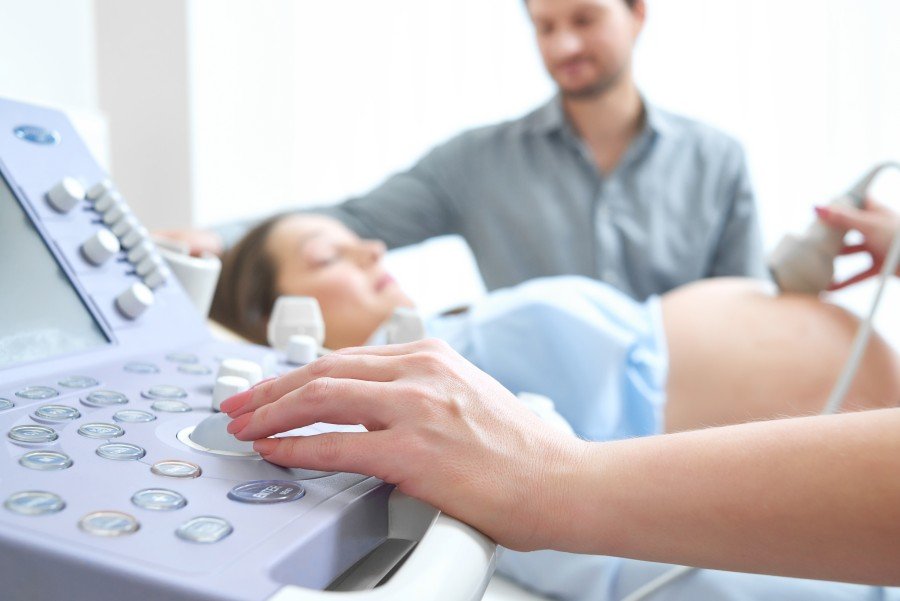
Pelvic Ultrasound
Ultrasound is commonly used to assess the uterus and ovaries and can help identify many types of fibroids. It may also provide useful information when evaluating pelvic pain or suspected endometriosis.
Additional Imaging or Tests
In selected cases, a doctor may recommend further imaging, such as MRI, particularly when detailed assessment of pelvic structures is required.
For suspected endometriosis, diagnosis often combines symptoms, examination, imaging, and clinical judgment. In some situations, laparoscopy may be considered to confirm or treat disease, depending on the individual circumstances.
Treatment Options for Fibroids
Treatment does not follow a single formula. Your gynecologist may consider the severity of symptoms, fibroid size and location, age, overall health, and whether you wish to become pregnant.
Possible approaches include:
Observation: Small or asymptomatic fibroids may only require periodic monitoring.
Medication: Certain medicines can help manage heavy bleeding or pain. Some hormonal treatments may also reduce symptoms or temporarily control bleeding.
Minimally invasive procedures: Selected patients may benefit from procedures designed to treat fibroids while limiting the impact on surrounding tissue.
Surgery: Depending on the fibroid’s characteristics and the patient’s reproductive plans, procedures such as myomectomy may be considered. In selected circumstances, other surgical options may be appropriate.
The right treatment should follow an individualized assessment rather than the size of the fibroid alone.
Treatment Options for Endometriosis
Treatment for endometriosis focuses on controlling pain, managing disease-related symptoms, and addressing fertility needs where applicable.
Common approaches include:
- Pain-relieving medicines when appropriate
- Hormonal treatments to reduce menstrual-related symptoms
- Regular monitoring for selected patients
- Laparoscopic surgery in suitable cases
- Fertility-focused treatment when conception is a concern
For some women, surgery may help remove endometriosis lesions or adhesions. However, the decision requires careful consideration because endometriosis can recur, and treatment needs can change over time.
How Doctors Choose the Right Treatment
Choosing between medication, monitoring, minimally invasive treatment, or surgery requires more than identifying the condition.
Your gynecologist may consider:
- The symptoms you experience and how they affect your everyday activities
- The location and extent of fibroids or endometriosis
- Your age and general health
- Previous treatments and their results
- Your plans for pregnancy
- Potential benefits and risks of each option
For this reason, a personalized treatment plan often provides a more appropriate path than following a one-size-fits-all approach.
When Should You See a Gynecologist in Gurugram?
Do not ignore persistent or worsening menstrual and pelvic symptoms. Consider scheduling a gynecological consultation if you experience:
- Periods that are unusually heavy or prolonged
- Severe menstrual pain that interferes with daily activities
- Persistent pelvic pain
- Pain during intercourse
- Unexplained abdominal pressure or swelling
- Difficulty conceiving
- Symptoms that continue despite basic pain management
Early evaluation can help identify the likely cause and prevent prolonged uncertainty.
Why Individualized Care Matters
Fibroids and endometriosis can affect women differently. One woman may need symptom monitoring, while another may require medication or a procedure. Similarly, fertility considerations can significantly influence treatment decisions.
Therefore, Fibroid and Endometriosis Treatment in Gurugram should begin with an accurate assessment rather than relying solely on symptoms or online information. A gynecologist can explain the findings, discuss suitable options, and help you understand the potential benefits and limitations of each approach.
Conclusion
Fibroids and endometriosis can affect menstrual health, comfort, fertility, and everyday life, but appropriate evaluation can make the condition easier to manage. While fibroids are benign uterine growths, endometriosis involves tissue similar to the uterine lining growing outside the uterus. Their symptoms may overlap, so accurate diagnosis remains important. If you are considering Fibroid and Endometriosis Treatment in Gurugram, consult Dr. B. Preethi for an assessment based on your symptoms, medical history, and reproductive goals. Avoid delaying evaluation when pain, heavy bleeding, or fertility concerns persist. A personalized discussion can help you understand your condition and choose the next appropriate step with greater confidence.