
Uterine fibroids are non-cancerous growths that develop in or around the uterus. They are common during the reproductive years and may cause no symptoms at all. However, some fibroids can lead to heavy menstrual bleeding, pelvic pressure, pain, frequent urination, or difficulties related to fertility. Knowing when these symptoms need medical attention can help you seek appropriate care at the right time. If you are experiencing persistent or troublesome symptoms, discussing your concerns with Dr. B. Preethi can help determine whether observation, medication, or another treatment approach is appropriate. For women seeking Fibroid Treatment in Sector 57 Gurugram, an individualized evaluation is an important first step.
For fast information, direct chat with us on WhatsApp.
You should consider fibroid treatment when fibroids cause persistent heavy bleeding, significant pelvic pain or pressure, anemia, urinary or bowel symptoms, fertility concerns, or other problems affecting daily life. Treatment is not always necessary, especially when fibroids cause no symptoms. A gynaecologist can assess their size, location, symptoms, and your reproductive plans before recommending the next step.
What Are Uterine Fibroids?
Fibroids, also called uterine leiomyomas or myomas, are growths made up of muscle and connective tissue that develop in the uterus. They can vary considerably in size, number, and location.
Some women have a single small fibroid, while others may develop several. Their effects also differ from person to person. A small fibroid may cause noticeable symptoms if it is located in a sensitive area, while a larger one may sometimes produce few symptoms.
Fibroids are usually benign. However, symptoms and their effect on your quality of life are important factors when deciding whether treatment is needed.
Signs That You May Need Fibroid Treatment
Not every fibroid requires treatment. In many cases, particularly when symptoms are absent or mild, a doctor may recommend monitoring rather than immediate intervention.
However, certain symptoms deserve a proper evaluation.
1. Heavy or Prolonged Menstrual Bleeding
Very heavy periods or bleeding that lasts longer than usual can be associated with fibroids. Repeated heavy bleeding may also contribute to iron-deficiency anemia, which can cause tiredness, weakness, dizziness, or shortness of breath.
If menstrual bleeding is interfering with work, sleep, travel, exercise, or everyday activities, speak with a gynaecologist rather than simply managing the symptoms on your own.
2. Persistent Pelvic Pain or Pressure
Fibroids can sometimes cause pelvic discomfort, cramping, fullness, or pressure. Some women describe a sensation of heaviness in the lower abdomen.
Persistent or worsening discomfort should be assessed because pelvic pain can have several possible causes. Your doctor can determine whether a fibroid is actually responsible for your symptoms.
3. Frequent Urination or Bowel Pressure
A fibroid that presses against nearby organs may cause urinary frequency, difficulty emptying the bladder, constipation, or a feeling of pressure in the pelvis.
These symptoms do not automatically mean that treatment is necessary. However, persistent changes should be discussed with a healthcare professional.
4. Fertility or Pregnancy Concerns
Certain fibroids, particularly those that affect the uterine cavity, may be associated with fertility problems or pregnancy-related concerns.
If you are trying to conceive and have known fibroids, an evaluation can help determine whether their location or size is relevant to your reproductive plans. Treatment decisions should consider factors such as age, fertility history, fibroid characteristics, and plans for future pregnancy.
How Are Fibroids Diagnosed?
The first step usually involves a medical history and pelvic evaluation. Your doctor may ask about your menstrual pattern, pain, bleeding, urinary symptoms, pregnancy history, and any fertility concerns.
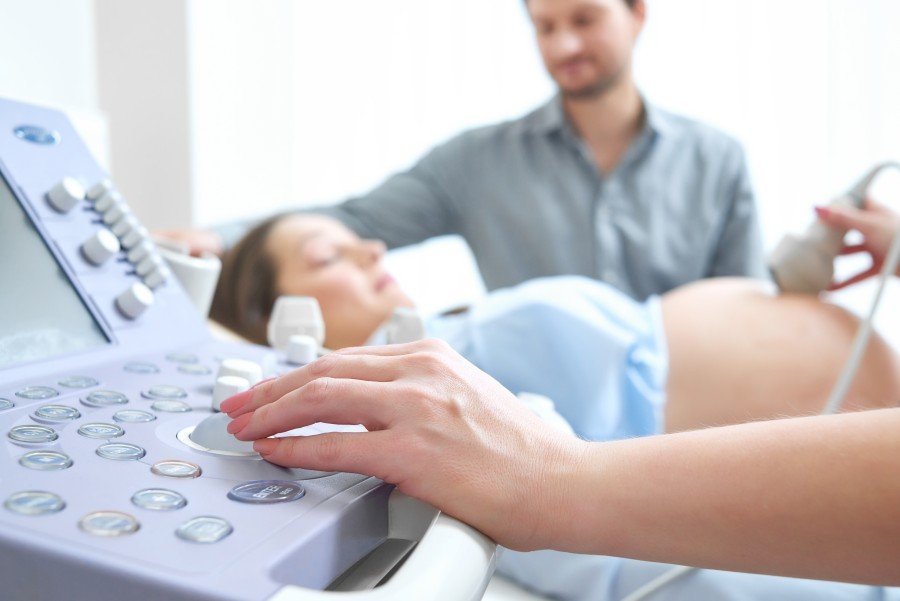
Imaging is often used to identify fibroids. Pelvic ultrasound is commonly used to assess their number, size, and location. Depending on the situation, additional imaging or tests may be considered.
A diagnosis does not automatically mean that surgery is required. The findings need to be considered alongside your symptoms and overall health.
What Does Fibroid Treatment Involve?
The right approach depends on the individual. There is no single treatment that is suitable for every woman with fibroids.
Depending on the circumstances, management may include:
- Observation: Suitable for some women who have small or asymptomatic fibroids.
- Medication: Certain medicines can help manage heavy bleeding or other symptoms, although they may not permanently eliminate fibroids.
- Minimally invasive procedures: Selected patients may be candidates for procedures designed to treat fibroids without traditional open surgery.
- Surgical treatment: Depending on the size, location, number of fibroids, symptoms, and reproductive plans, procedures such as myomectomy or, in appropriate circumstances, hysterectomy may be discussed.
A consultation for Fibroid Treatment in Sector 57 Gurugram should therefore focus on finding the most appropriate option rather than assuming that every fibroid needs surgery.
Factors Your Gynaecologist May Consider
Before recommending treatment, your doctor may consider:
- Severity and duration of symptoms
- Fibroid size and location
- Number of fibroids
- Age and general health
- Presence of anemia
- Fertility and pregnancy plans
- Previous treatments and their results
- Whether symptoms are affecting your daily life
This personalized approach helps balance symptom relief with your longer-term health and reproductive goals.
When Should You Seek Medical Advice?
You should arrange a gynaecological consultation if you have unusually heavy periods, persistent pelvic pain, unexplained abdominal pressure, repeated anemia, changes in urination or bowel habits, or known fibroids that appear to be growing or causing new symptoms.
Seek prompt medical attention for very heavy bleeding accompanied by severe weakness, dizziness, fainting, or other concerning symptoms.
It is also worth getting evaluated if you have been diagnosed with fibroids but your symptoms have recently changed. A new symptom does not necessarily mean the fibroids have become serious, but it should not be ignored.
Why Individualized Assessment Matters
Fibroid treatment should be based on more than the size of a fibroid alone. Two women with similarly sized fibroids may have very different symptoms and treatment needs.
For example, a fibroid that projects into the uterine cavity may have different implications from one located on the outer surface of the uterus. Similarly, treatment considerations can change if a woman is planning pregnancy.
A detailed consultation allows the gynaecologist to explain the findings, discuss available options, and help you understand the potential benefits and limitations of each approach.
Frequently Asked Questions
1. Do all uterine fibroids require treatment?
No, many fibroids do not require immediate treatment. If they are small and not causing significant symptoms, a doctor may recommend observation and periodic follow-up. Treatment is more likely to be considered when fibroids cause heavy bleeding, pain, pressure, anemia, fertility concerns, or other problems affecting quality of life.
2. Can fibroids go away without treatment?
Fibroids may shrink naturally, particularly after menopause when hormone levels change, but this varies from person to person. Some remain stable while others may grow. If you have symptoms or a known fibroid, regular medical assessment can help determine whether monitoring or active treatment is appropriate.
3. Can fibroids affect fertility?
Some fibroids can affect fertility, particularly when they alter the shape of the uterine cavity. However, having fibroids does not automatically mean that a woman will have difficulty conceiving. A fertility-focused evaluation can determine whether a fibroid’s location, size, or other characteristics may be relevant.
4. Is surgery always needed for fibroid treatment?
No. Surgery is only one possible treatment approach. Depending on symptoms and individual circumstances, management may involve observation, medication, or minimally invasive procedures. When surgery is considered, the type of procedure depends on factors such as fibroid location, size, number, and future pregnancy plans.
5. Where can I seek evaluation for fibroids in Sector 57 Gurugram?
Women experiencing symptoms can consult Dr. B. Preethi in or around Sector 57 Gurugram for assessment. The consultation may include a medical history, examination, and imaging such as ultrasound. The doctor can then explain whether monitoring, medication, a procedure, or surgery may be appropriate.
Conclusion
Fibroids are common, and having one does not automatically mean that you need treatment. However, persistent heavy periods, pelvic pain or pressure, anemia, urinary symptoms, or fertility concerns are good reasons to seek a professional evaluation. The location and size of the fibroid, your symptoms, overall health, and future pregnancy plans all influence treatment decisions.
If you are experiencing troublesome symptoms, Fibroid Treatment in Sector 57 Gurugram should begin with an appropriate consultation and diagnosis rather than self-treatment. Speaking with a gynaecologist can help you understand your condition and the available management options, allowing you to make an informed decision about your care