
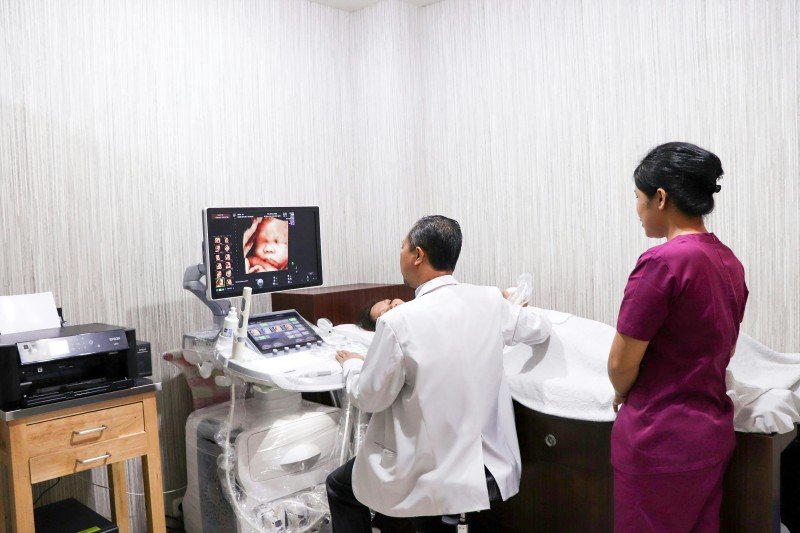
Women’s health needs can change significantly throughout life. From menstrual concerns and contraception to pregnancy care, PCOS, menopause, and preventive checkups, timely medical guidance can make a meaningful difference. Finding a reliable Gynaecologist in Sector 57 Gurugram can help women address concerns early and make informed decisions about their health. A gynaecological consultation is not only for pregnancy or a specific illness. Regular conversations with Dr. B. Preethi can also help women understand changes in their bodies and recognise when further evaluation may be useful.
For fast information, direct chat with us on WhatsApp.
A Gynaecologist in Sector 57 Gurugram can provide routine women’s healthcare, including menstrual care, contraception counselling, pregnancy-related care, PCOS management, menopause support, and evaluation of gynaecological symptoms. Women should consider a consultation when they experience persistent or unusual symptoms or need preventive guidance based on their age and individual health needs.
Why Routine Gynaecological Care Matters
Many women postpone a consultation until symptoms become uncomfortable. However, routine healthcare provides an opportunity to discuss concerns before they interfere with everyday life.
A gynaecologist can assess symptoms, discuss risk factors, recommend appropriate tests when necessary, and explain available treatment options. The right approach depends on factors such as age, medical history, reproductive goals, and symptoms.
Routine care may be particularly useful for women experiencing:
- Irregular, painful, or unusually heavy periods
- Unusual vaginal discharge or persistent itching
- Pelvic or lower abdominal pain
- Concerns related to fertility
- PCOS-related symptoms
- Pregnancy or antenatal care needs
- Contraception-related questions
- Menopause or perimenopause symptoms
When Should You See a Gynaecologist?
There is no single schedule that applies to every woman. Instead, consultations should be based on individual needs, symptoms, age, reproductive plans, and existing health conditions.
Menstrual Changes
Changes in cycle length, unusually heavy bleeding, severe period pain, or bleeding between periods may require medical assessment. While some variations can be normal, persistent or significant changes should not simply be ignored.
Pelvic Pain or Discomfort
Pelvic pain can have several possible causes. It may be related to menstruation, ovarian cysts, endometriosis, infections, or other conditions. A gynaecologist can determine whether examination or further investigation is appropriate.
PCOS and Hormonal Concerns
Polycystic ovary syndrome (PCOS) can involve irregular periods, acne, excess facial or body hair, and difficulty with ovulation. If these symptoms are persistent, professional evaluation can help identify an appropriate management plan.
Pregnancy and Preconception Care
Women planning a pregnancy can benefit from preconception counselling. A specialist can discuss existing health conditions, medications, lifestyle factors, vaccinations, and other considerations before conception.
During pregnancy, regular antenatal appointments help monitor maternal and fetal wellbeing and identify concerns that may require attention.
What Happens During a Routine Gynaecological Consultation?
A consultation generally begins with a discussion about your symptoms, menstrual history, previous pregnancies or surgeries, medications, and relevant medical history.
Depending on the reason for your visit, the doctor may recommend a physical examination, blood tests, ultrasound, or other investigations. Not every woman needs every test.
It is helpful to be open about symptoms, even if they feel embarrassing. Details about menstrual patterns, sexual health, vaginal symptoms, or fertility can help the doctor understand the situation more accurately.
Preventive Women’s Healthcare Is More Than Treatment
Good gynaecological care also involves prevention and health education. Depending on individual circumstances, a doctor may discuss cervical cancer screening, breast health, contraception, sexually transmitted infection prevention, bone health, or menopausal care.
Screening recommendations can vary according to age, medical history, previous test results, and local clinical guidance. Therefore, it is better to follow an individualised screening plan rather than relying on a fixed schedule found online.
How to Choose a Gynaecologist in Sector 57 Gurugram
Choosing a specialist involves more than looking at location. Consider whether the doctor has appropriate qualifications and experience relevant to your concerns.
You may also consider:
- Whether the consultation environment feels comfortable and respectful
- Whether the doctor explains conditions and treatment options clearly
- Whether your questions are answered patiently
- Whether diagnostic and treatment options are discussed transparently
- Whether the clinic is conveniently accessible for follow-up visits
- Whether the doctor’s area of practice matches your healthcare needs
A comfortable doctor-patient relationship can make it easier to discuss sensitive concerns and maintain continuity of care.
When Symptoms Need Prompt Medical Attention
Some symptoms should not be delayed. Seek prompt medical advice for severe or worsening pelvic pain, unusually heavy bleeding, fainting or significant weakness associated with bleeding, fever with pelvic symptoms, or concerning symptoms during pregnancy.
If symptoms are sudden, severe, or potentially life-threatening, emergency medical care may be more appropriate than waiting for a routine appointment.
Building a Long-Term Approach to Women’s Health
Women’s healthcare changes across different stages of life. A teenager may need guidance about periods and menstrual pain, while someone planning pregnancy may need preconception advice. Later, concerns may shift toward perimenopause, menopause, bone health, or other age-related changes.
Having access to a trusted specialist can make these transitions easier to navigate. Rather than waiting for a problem to become severe, women can use consultations as an opportunity to understand their health and make informed choices.
A Gynaecologist in Sector 57 Gurugram can provide routine women’s healthcare, including menstrual care, contraception counselling, pregnancy-related care, PCOS management, menopause support, and evaluation of gynaecological symptoms. Women should consider a consultation when they experience persistent or unusual symptoms or need preventive guidance based on their age and individual health needs.
5 FAQs
Frequently Asked Questions
1. When should I visit a gynaecologist for menstrual problems?
You should consider a consultation if your periods become unusually heavy, painful, irregular, prolonged, or start occurring between cycles. Persistent changes can sometimes be associated with hormonal issues, PCOS, fibroids, endometriosis, or other conditions. A gynaecologist can assess your symptoms and determine whether examination or testing is needed.
2. Can a gynaecologist help with PCOS?
Yes, a gynaecologist can evaluate and help manage many aspects of PCOS. Management may include addressing irregular periods, reproductive concerns, acne, excess hair growth, and metabolic risk factors. Treatment depends on your symptoms, health history, and pregnancy plans, so an individual assessment is important.
3. Should I see a gynaecologist before planning pregnancy?
Yes, a preconception consultation can be useful before trying to conceive. The doctor can review your medical history, medications, menstrual cycle, lifestyle factors, vaccinations, and existing health conditions. This provides an opportunity to address potential concerns and plan appropriate care before pregnancy.
4. How often should women have a gynaecological checkup?
There is no universal appointment schedule for every woman. The appropriate frequency depends on age, symptoms, reproductive plans, medical history, screening needs, and risk factors. Your doctor can recommend a suitable follow-up plan rather than relying on a fixed annual schedule for everyone.
5. How do I choose a gynaecologist in Sector 57 Gurugram?
Look for a qualified specialist whose experience matches your healthcare needs. Consider communication style, accessibility, clinic facilities, follow-up availability, and whether the doctor clearly explains examination, diagnosis, and treatment options. A comfortable and respectful consultation environment is also important when discussing sensitive women’s health concerns.
Conclusion
Routine women’s healthcare is about more than treating a problem after it appears. Understanding menstrual changes, reproductive health, pregnancy needs, hormonal concerns, and age-related changes can help women make informed healthcare decisions. A consultation with a qualified Gynaecologist in Sector 57 Gurugram can provide personalised guidance based on symptoms, medical history, and individual needs. Women should not ignore persistent or unusual symptoms simply because they seem minor or uncomfortable to discuss. Choosing a specialist who communicates clearly and provides appropriate evaluation can make ongoing care easier. If you have a new concern, are planning pregnancy, or simply need guidance about your reproductive health, consider scheduling a consultation with a qualified women’s health specialist.