Choosing how a baby will be born is an important part of pregnancy planning. Many expecting parents wonder whether Normal and Cesarean Delivery in Sector 57 Gurugram is the better option. However, the right approach depends on the mother’s health, baby’s condition, pregnancy progress, and safety during labour. Vaginal delivery is often possible when pregnancy progresses normally, while a cesarean section may become the safest choice in certain medical situations. Understanding both options can help you prepare for delivery without unnecessary fear or expectations.
For fast information, direct chat with us on WhatsApp.
Normal delivery and cesarean delivery are both established ways to give birth. Vaginal delivery generally involves a shorter recovery and hospital stay, while a C-section is major abdominal surgery and usually requires more recovery time. Doctors recommend the safest option based on the mother’s health, fetal well-being, pregnancy complications, and labour progress.
What Is Normal Delivery?
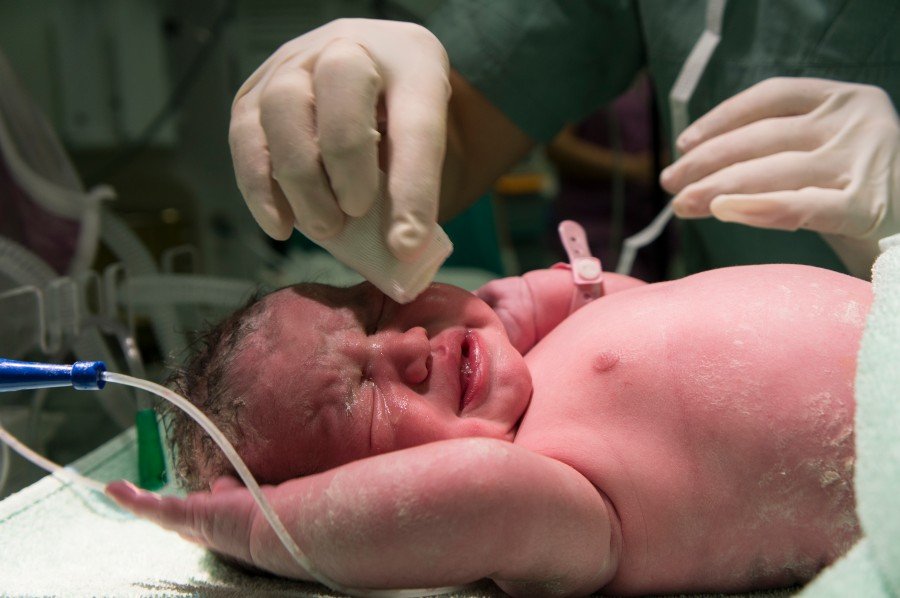
Normal delivery, commonly called vaginal delivery, occurs when the baby is born through the vagina. Labour usually involves contractions that help the cervix open, followed by the baby’s descent through the birth canal.
For many healthy pregnancies, vaginal birth is a safe and appropriate option. Labour may begin naturally, or doctors may recommend induction when medically indicated.
During labour, healthcare professionals monitor the mother’s vital signs, contractions, cervical changes, and the baby’s heart rate. Pain-relief options, including epidural analgesia, may be available depending on the hospital and clinical circumstances.
What Is Cesarean Delivery?
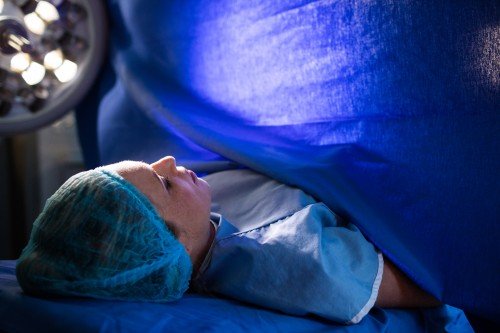
A cesarean delivery, or C-section, is a surgical procedure in which the baby is delivered through incisions made in the mother’s abdomen and uterus.
A C-section may be planned before labour or performed during labour if circumstances make vaginal birth unsafe or unlikely to progress safely.
When Might a C-Section Be Recommended?
Doctors may recommend cesarean delivery for several reasons, such as:
- Placenta previa or certain placental complications
- Abnormal fetal position, such as some breech presentations
- Signs of fetal distress
- Labour that does not progress despite appropriate management
- Certain previous uterine surgeries or C-sections
- Some multiple pregnancies
- Certain maternal health conditions
- Significant bleeding or other pregnancy complications
Importantly, having a C-section does not mean that a pregnancy has failed. In some situations, it provides the safest route for the mother, baby, or both.
Normal and Cesarean Delivery in Sector 57 Gurugram: How Doctors Decide
When discussing Normal and Cesarean Delivery in Sector 57 Gurugram, it is important to understand that doctors do not choose the delivery method based on preference alone.
Your obstetrician considers several factors, including:
Mother’s Health and Pregnancy History
Conditions such as high blood pressure, diabetes, previous uterine surgery, or other pregnancy-related concerns may influence delivery planning.
Your previous delivery history also matters. A previous C-section does not automatically mean another C-section is necessary. In selected women, vaginal birth after cesarean (VBAC) may be considered after an individual assessment.
Baby’s Position and Well-Being
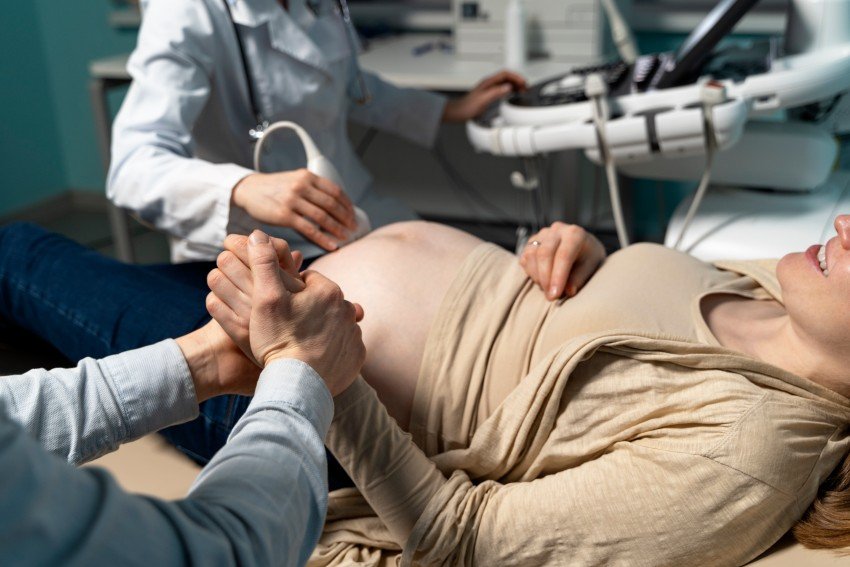
The baby’s presentation and position can influence the delivery plan. Doctors also monitor fetal growth and heart rate to assess well-being.
If monitoring suggests that the baby may not tolerate labour safely, an urgent C-section may become necessary.
Progress of Labour
Sometimes labour begins normally but does not progress as expected. Your obstetric team may monitor contractions and cervical dilation before deciding whether additional intervention is required.
The decision should focus on maternal and fetal safety rather than trying to achieve a particular type of birth at all costs.
Benefits of Normal Delivery
Vaginal birth can offer several potential advantages when it is medically appropriate.
Shorter recovery: Most women recover more quickly after uncomplicated vaginal delivery than after abdominal surgery.
Earlier mobility: Women can often move around sooner after birth, which can make daily activities easier.
Shorter hospital stay: An uncomplicated vaginal birth may involve a shorter hospital stay, although this varies between individuals and hospitals.
Avoids major abdominal surgery: Vaginal delivery does not involve an abdominal incision or surgical wound.
Nevertheless, vaginal delivery can involve perineal tears, assisted delivery, postpartum bleeding, or an emergency C-section. Every birth carries potential risks.
Benefits and Risks of Cesarean Delivery
A C-section can be life-saving when vaginal delivery poses a significant risk.
For example, it may help manage certain cases of fetal distress, placenta-related complications, abnormal presentation, or labour complications.
However, cesarean delivery is major surgery. Potential risks include:
- Infection
- Bleeding
- Blood clots
- Anaesthetic complications
- Injury to nearby organs, although uncommon
- Longer recovery
- Surgical complications in future pregnancies
The risks vary according to the individual’s health and whether the C-section is planned or performed urgently.
Recovery After Normal vs Cesarean Delivery
Recovery differs from one woman to another.
After an uncomplicated vaginal birth, many women gradually return to normal activities over the following days and weeks. However, discomfort, stitches from a tear or episiotomy, fatigue, and postpartum bleeding can occur.
Recovery following a C-section generally takes longer because the body must heal from abdominal surgery. Incision discomfort and restricted physical activity are common during the early recovery period.
Regardless of delivery method, adequate rest, nutrition, hydration, breastfeeding support, and postpartum follow-up are important.
Seek medical advice promptly if you experience heavy bleeding, fever, worsening pain, breathing difficulty, severe headache, wound problems, or other concerning symptoms after delivery.
Can You Increase Your Chances of Normal Delivery?
No method can guarantee vaginal delivery. However, maintaining good prenatal care can support a healthy pregnancy and help your obstetrician identify potential concerns early.
Helpful measures include:
- Attend regular antenatal appointments.
- Follow recommended screening and testing.
- Maintain appropriate physical activity when your doctor permits it.
- Eat a balanced, nutritious diet.
- Manage pregnancy-related medical conditions.
- Discuss your birth preferences with your obstetrician.
- Learn about labour, pain-management options, and warning signs.
Most importantly, avoid comparing your pregnancy with someone else’s. Two healthy pregnancies can still require very different delivery plans.
What Should You Discuss With Your Gynaecologist?
Before delivery, ask your doctor about:
- Your baby’s current position
- Your expected delivery plan
- Your individual chances of vaginal birth
- Circumstances that could require a C-section
- Pain-relief options
- What happens during an emergency C-section
- Recovery and postpartum care
- Whether VBAC could be appropriate if you previously had a C-section
Having these conversations early can make the delivery experience feel more predictable and help you make informed decisions.
Conclusion
Both vaginal and cesarean birth can result in a healthy delivery when the approach matches the mother’s and baby’s needs. Normal delivery may offer a shorter recovery when pregnancy and labour progress safely, while a C-section can be essential when complications make vaginal birth risky. Therefore, the goal should not simply be to choose one delivery method over another, but to choose the safest approach for each pregnancy. If you are considering Normal and Cesarean Delivery in Sector 57 Gurugram, discuss your medical history, pregnancy progress, baby’s position, and delivery preferences with Dr. B. Preethi. Regular antenatal care can help you prepare for different possibilities and make informed decisions with confidence.