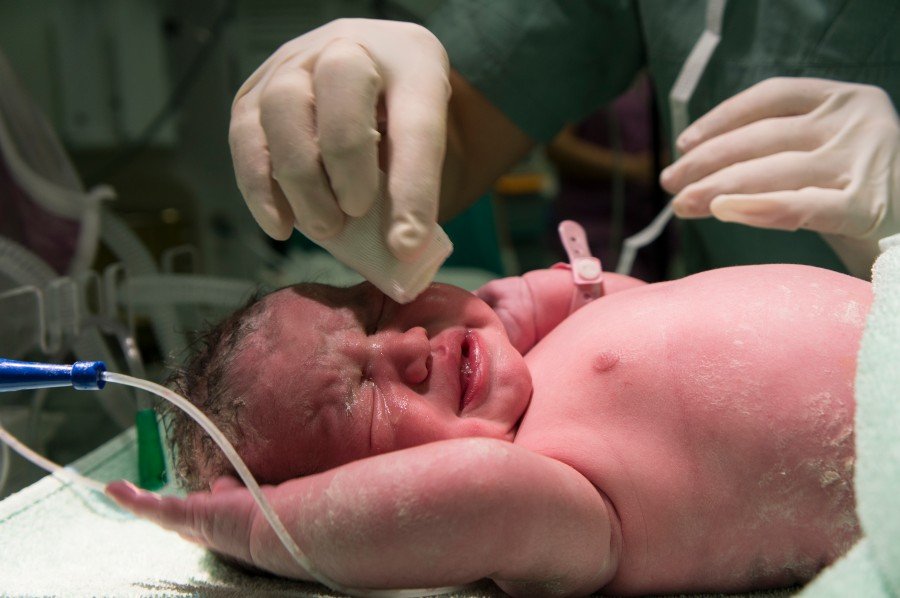

Planning a pregnancy is an exciting decision, but it also comes with important health considerations. Preparing your body and understanding potential risks before conception can support a healthier pregnancy journey. For this reason, consulting a qualified Gynecologist in Gurgaon before trying to conceive can be a valuable first step. A preconception consultation allows you to discuss your medical history, menstrual cycle, lifestyle, medications, vaccinations, nutrition, and any existing health concerns. It also gives you an opportunity to ask questions and make informed decisions before pregnancy begins.
For fast information, direct chat with us on WhatsApp.
A preconception visit with Dr. B. Preethi helps assess your overall health, identify potential pregnancy risks, review medications and vaccinations, and provide guidance on folic acid, nutrition, lifestyle, and fertility. Starting this discussion before conception allows you to address concerns early and prepare for pregnancy with personalized medical advice.
Why Preconception Care Matters
Pregnancy affects almost every system in the body. Therefore, preparing for it involves more than simply stopping contraception and waiting for a positive pregnancy test.
Preconception care focuses on identifying factors that could affect conception or pregnancy outcomes. These may include existing medical conditions, nutritional deficiencies, unhealthy lifestyle habits, previous pregnancy complications, or medications that may need review.
Moreover, some health conditions may not cause noticeable symptoms. A consultation can help identify concerns that deserve attention before conception.
What a Gynecologist in Gurgaon Can Check Before Pregnancy
1. Review Your Medical History
Your gynecologist will typically ask about your menstrual history, previous pregnancies, surgeries, allergies, medications, and existing health conditions.
Conditions such as diabetes, thyroid disorders, high blood pressure, PCOS, anemia, or certain autoimmune conditions may require appropriate management before pregnancy.
Your family medical history may also provide useful information. Depending on your history and risk factors, your doctor may recommend additional tests or specialist consultations.
2. Review Medications and Supplements
Not every medication is suitable during pregnancy. However, you should never stop a prescribed medicine on your own.
Instead, tell your doctor about all prescription medicines, over-the-counter products, vitamins, herbal supplements, and other preparations you use. Your gynecologist can determine whether anything needs to be changed before conception.
This review is especially important if you regularly take medication for a chronic health condition.
3. Discuss Folic Acid and Nutrition
Folic acid plays an important role in early fetal development. Health authorities generally recommend that women who could become pregnant take folic acid before conception and during early pregnancy.
Your doctor can advise you on the appropriate supplementation based on your individual circumstances. They can also discuss nutrition more broadly, including adequate protein, iron, calcium, vitamin D, and other nutrients.
A balanced diet, rather than unnecessary supplements, should form the foundation of preconception nutrition.
Assessing Your Menstrual Cycle and Ovulation
Understanding your menstrual cycle can be helpful when you are trying to conceive.
During your consultation, you may discuss cycle length, regularity, bleeding patterns, menstrual pain, and previous reproductive health concerns. Irregular periods can sometimes be associated with conditions such as PCOS, thyroid disorders, weight-related changes, or other hormonal factors.
If you have been experiencing irregular cycles or other concerns, addressing them before pregnancy may make your reproductive health easier to manage.
Vaccination and Infection Prevention
Some infections can create significant risks during pregnancy. Therefore, preconception care may include reviewing your vaccination history and immunity status.
Depending on your medical history and vaccination records, your gynecologist may recommend certain vaccines before pregnancy. Some vaccines are not given during pregnancy, so discussing immunization in advance can be particularly useful.
Your doctor can also explain appropriate precautions against infections and when it may be safe to begin trying to conceive after specific vaccinations.
Lifestyle Changes That Support Pregnancy Planning
Healthy habits can contribute to overall reproductive and pregnancy health. Before conception, consider discussing:
- Maintaining a healthy and sustainable weight
- Eating a balanced, nutrient-rich diet
- Staying physically active
- Avoiding tobacco and recreational drugs
- Limiting or avoiding alcohol
- Getting adequate sleep
- Managing ongoing stress
- Reviewing workplace or environmental exposures
You do not need to make every change overnight. Small, consistent improvements can be easier to maintain.
When Should You Visit a Gynecologist in Gurgaon?
Ideally, consider a preconception consultation several months before you plan to start trying, particularly if you have a chronic health condition or take regular medication.
You should also consider an appointment if you have:
- Irregular or absent periods
- A history of PCOS or endometriosis
- Previous miscarriages or pregnancy complications
- A known medical condition
- Previous pelvic surgery
- Concerns about fertility
- A family history of certain inherited conditions
- A history of difficulty conceiving
Age can also influence fertility and pregnancy considerations. If you are concerned about your fertility or have been trying to conceive without success, discuss your situation with a gynecologist rather than waiting indefinitely.
What Happens During a Preconception Consultation?
A preconception appointment is usually based on your individual health history and needs. Your doctor may discuss your menstrual and reproductive history, perform an appropriate examination, and recommend investigations when clinically indicated.
There is no single set of tests that every woman needs before pregnancy. The appropriate evaluation depends on factors such as age, medical history, symptoms, previous pregnancy history, and family history.
This personalized approach helps avoid unnecessary testing while ensuring important concerns receive appropriate attention.
Don’t Forget Your Partner’s Health
Pregnancy planning is not solely a woman’s responsibility. Male reproductive health can also influence conception.
Lifestyle factors such as smoking, alcohol use, certain medications, obesity, and some medical conditions may affect sperm health. If conception takes longer than expected, evaluation of both partners may be appropriate.
Taking a shared approach can make pregnancy planning more practical and supportive for couples.
Choosing the Right Gynecologist in Gurgaon
Finding the right doctor matters because preconception care involves open conversations about your health, concerns, and pregnancy goals.
When choosing a gynecologist, consider:
- Relevant qualifications and clinical experience
- Experience with preconception and pregnancy care
- A clear, patient-focused communication style
- Willingness to explain treatment and test recommendations
- Accessible follow-up care
- A clinic environment where you feel comfortable discussing sensitive concerns
Gurgaon has many healthcare facilities across areas such as Sector 14, Sector 29, DLF phases, Golf Course Road, Sohna Road, and nearby parts of Gurugram. However, convenience should complement—not replace—your assessment of the doctor’s qualifications and approach to care.
Take the First Step Before the Positive Test
One of the biggest advantages of preconception care is timing. Once pregnancy occurs, some health decisions become more complicated because the developing baby may already be exposed to certain medications, infections, or nutritional deficiencies.
By discussing your plans beforehand, you have an opportunity to address concerns early. You can also enter pregnancy with a clearer understanding of your health, medications, nutrition, and next steps.
Conclusion
Pregnancy planning is an important stage of reproductive healthcare, and it should begin before conception rather than after a positive pregnancy test. A consultation with a Gynecologist in Gurgaon can help you review your medical history, medications, nutrition, vaccinations, menstrual health, and potential pregnancy risks. It also provides an opportunity to discuss fertility concerns and make practical lifestyle changes. Every woman’s needs are different, so your preparation should be based on personalized medical advice rather than generic online information. If you are considering starting a family, scheduling a preconception appointment with a qualified gynecologist can help you approach pregnancy with greater knowledge, preparation, and confidence.