For many women, the thought of undergoing uterus removal surgery can feel overwhelming. However, a hysterectomy is not recommended for every gynaecological problem. Doctors usually consider it when symptoms are severe, other treatments have not provided adequate relief, or a condition requires definitive treatment. Understanding why hysterectomy may be suggested, what the procedure involves, and what recovery looks like can help you have a more informed discussion with Dr. B. Preethi. If you are exploring Uterus Removal Surgery in Sector 57 Gurugram, knowing the basics can also help you prepare for your consultation.
For fast information, direct chat with us on WhatsApp.
Uterus removal surgery, or hysterectomy, may be recommended for conditions such as large or symptomatic fibroids, persistent heavy menstrual bleeding, endometriosis, uterine prolapse, or certain cancers. The decision depends on the woman’s symptoms, diagnosis, age, reproductive plans, overall health, and response to other treatments.
What Is a Hysterectomy?
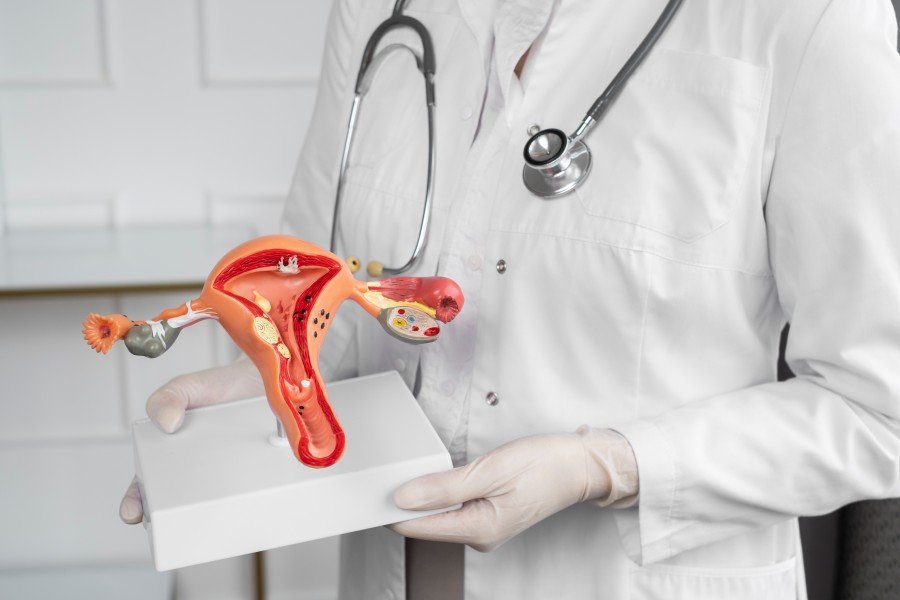
A hysterectomy is a surgical procedure to remove the uterus. After the uterus is removed, pregnancy is no longer possible, and menstrual periods stop.
Depending on the medical condition, a surgeon may remove only the uterus or may also recommend removing the cervix, fallopian tubes, or ovaries. These decisions depend on factors such as the underlying disease, age, cancer risk, hormonal considerations, and the findings from examinations or investigations.
Importantly, hysterectomy does not automatically mean that the ovaries must be removed. In some women, preserving healthy ovaries may be appropriate because they continue producing hormones after surgery.
When Is Uterus Removal Surgery Recommended?
Hysterectomy is generally considered after evaluating the specific condition and available treatment options. Common reasons include:
1. Symptomatic Uterine Fibroids
Fibroids are non-cancerous growths in the uterus. Many women have fibroids without significant symptoms. However, larger or multiple fibroids can cause heavy menstrual bleeding, pelvic pressure, pain, frequent urination, or anaemia.
When symptoms become difficult to manage and other treatments are unsuitable or unsuccessful, hysterectomy may be considered as a definitive treatment.
2. Persistent Heavy Menstrual Bleeding
Very heavy or prolonged periods can interfere with daily activities and may contribute to iron-deficiency anaemia.
Doctors usually assess the underlying cause before considering surgery. Depending on the diagnosis, medications, hormonal treatments, intrauterine devices, or other procedures may be possible alternatives. Hysterectomy may become an option when symptoms remain significant and other approaches do not provide adequate relief.
3. Endometriosis and Adenomyosis
Endometriosis can cause pelvic pain, painful periods, and other symptoms. Adenomyosis occurs when tissue similar to the uterine lining grows into the muscular wall of the uterus and may cause heavy bleeding and painful periods.
Treatment depends on the individual’s symptoms and reproductive goals. In selected cases where symptoms are severe and other treatments have not worked, hysterectomy may be discussed.
4. Uterine Prolapse
Uterine prolapse occurs when the uterus moves downward into the vaginal canal because the supporting pelvic tissues have weakened.
Women may experience pelvic pressure, a bulging sensation, urinary problems, or discomfort. Depending on the severity and individual circumstances, treatment may include pelvic-floor measures, pessaries, or surgery. Hysterectomy can form part of surgical management in selected cases.
5. Certain Gynaecological Cancers
Hysterectomy can play an important role in treating some cancers involving the uterus, cervix, or other reproductive organs.
Cancer surgery is highly individualized. The extent of surgery depends on the type and stage of cancer and may involve additional procedures or treatments. A specialist team determines the most appropriate approach.
Types of Hysterectomy
The surgical approach depends on the condition, uterus size, previous surgeries, overall health, and the surgeon’s assessment.
Common approaches include:
- Abdominal hysterectomy: The uterus is removed through an incision in the abdomen.
- Vaginal hysterectomy: The uterus is removed through the vagina.
- Laparoscopic hysterectomy: Small abdominal incisions allow a camera and surgical instruments to remove the uterus.
- Robotic-assisted surgery: Robotic technology may assist the surgeon during minimally invasive procedures when appropriate.
Not every technique suits every patient. A gynaecologist evaluates the individual case before recommending an approach.
What Happens Before Surgery?
Good preparation begins with a detailed medical evaluation. Your doctor may review your menstrual history, symptoms, previous treatments, medical conditions, medications, and reproductive plans.
Depending on the suspected condition, investigations may include an ultrasound, blood tests, cervical screening, endometrial assessment, or other tests.
Before surgery, discuss:
- The exact reason for recommending hysterectomy
- Whether alternative treatments are available
- Which organs will be removed or preserved
- The proposed surgical approach
- Expected recovery time
- Potential complications
- Medication and activity instructions
A second medical opinion can also be reasonable when you are uncertain about major surgery.
What Is Recovery Like After Hysterectomy?
Recovery varies according to the surgical technique and the individual’s health. Minimally invasive procedures often involve smaller incisions, while abdominal surgery generally requires a longer recovery period.
During recovery, your doctor may advise you to gradually increase physical activity while avoiding strenuous exercise and heavy lifting until healing progresses. You should also follow instructions regarding wound care, medications, bathing, sexual activity, and follow-up appointments.
Contact your healthcare team promptly if you develop heavy bleeding, fever, worsening pain, breathing difficulties, or other concerning symptoms after surgery.
Choosing the Right Gynaecological Care in Sector 57 Gurugram
Choosing a surgeon should involve more than simply looking for a convenient location. Consider the doctor’s experience with the procedure, the available surgical options, hospital facilities, preoperative evaluation, and postoperative follow-up.
A consultation should give you enough opportunity to discuss your diagnosis and understand why hysterectomy has been recommended. The right treatment plan should be based on your individual medical needs rather than a one-size-fits-all approach.
Uterus removal surgery, or hysterectomy, may be recommended for conditions such as large or symptomatic fibroids, persistent heavy menstrual bleeding, endometriosis, uterine prolapse, or certain cancers. The decision depends on the woman’s symptoms, diagnosis, age, reproductive plans, overall health, and response to other treatments.
Frequently Asked Questions
What conditions may require a hysterectomy?
Hysterectomy may be considered for symptomatic fibroids, persistent heavy menstrual bleeding, adenomyosis, some cases of endometriosis, uterine prolapse, and certain gynaecological cancers. However, doctors generally assess whether less invasive or non-surgical treatments could manage the condition before recommending uterus removal.
Is uterus removal surgery always necessary for fibroids?
No, hysterectomy is not automatically necessary for fibroids. Treatment depends on fibroid size, location, symptoms, age, reproductive plans, and previous treatment response. Depending on the circumstances, medicines, uterine procedures, or fibroid-removal surgery may be alternatives to removing the uterus.
Can the ovaries be preserved during a hysterectomy?
Yes, the ovaries can sometimes be preserved during hysterectomy. Their removal is not automatically required. The decision depends on factors such as age, medical history, ovarian health, cancer risk, and the reason for surgery. Your gynaecologist should explain the benefits and considerations of ovarian preservation in your case.
How long does recovery take after hysterectomy?
Recovery time varies depending on the surgical technique and individual health. Laparoscopic or vaginal procedures may allow a faster recovery than abdominal surgery in suitable patients. Your surgeon will provide personalized instructions about returning to work, exercise, lifting, driving, and sexual activity.
Where can I discuss hysterectomy options in Sector 57 Gurugram?
Women considering Uterus Removal Surgery in Sector 57 Gurugram should consult a qualified gynaecologist for an individualized assessment. The consultation can help determine the cause of symptoms, review non-surgical options, discuss the appropriate surgical technique, and explain expected recovery and follow-up.
Conclusion
Hysterectomy can provide definitive treatment for selected conditions affecting the uterus, but it is a major decision and should follow a careful medical evaluation. Fibroids, persistent heavy bleeding, adenomyosis, uterine prolapse, and certain cancers are among the situations where uterus removal may be considered. However, alternatives may be appropriate for some women.
If you are researching Uterus Removal Surgery in Sector 57 Gurugram, start with a detailed consultation rather than assuming surgery is the only option. Discuss your diagnosis, treatment alternatives, surgical approach, potential risks, and recovery expectations with Dr. B. Preethi. A personalized evaluation can help you make a decision that is appropriate for your health and circumstances.